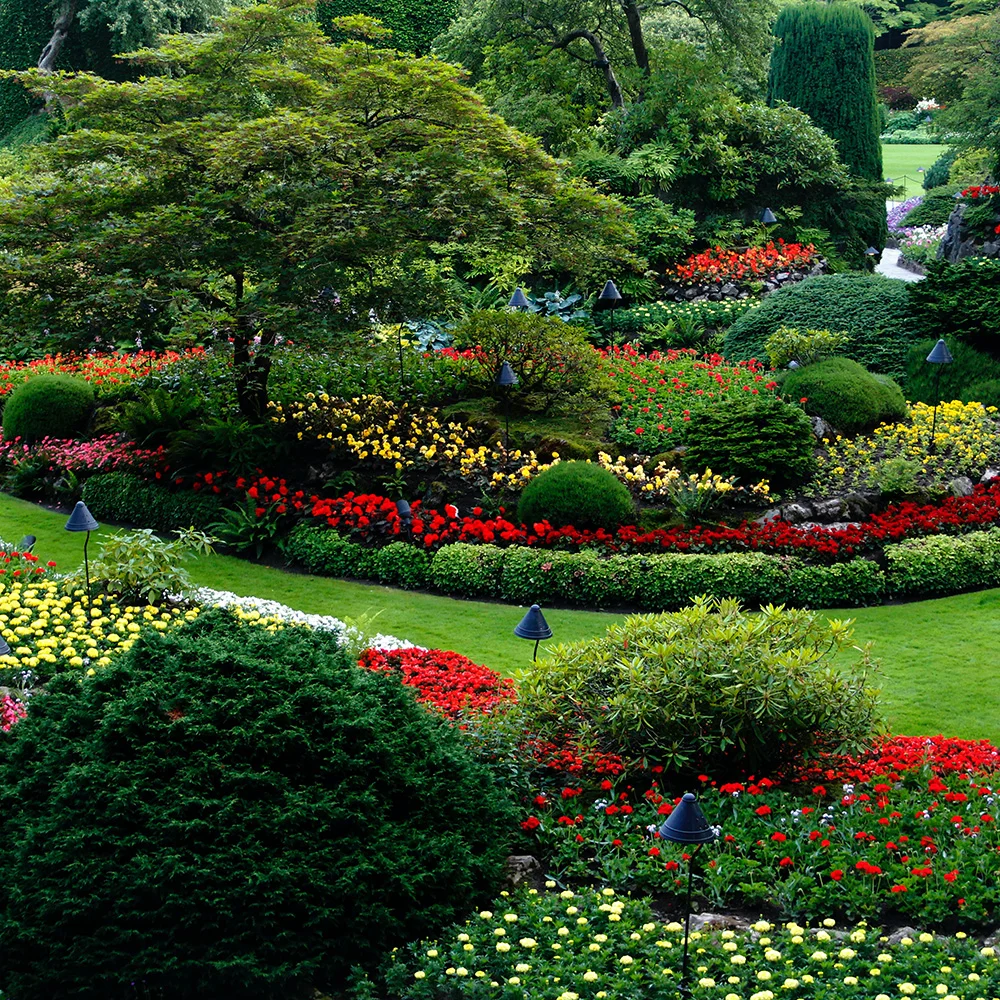
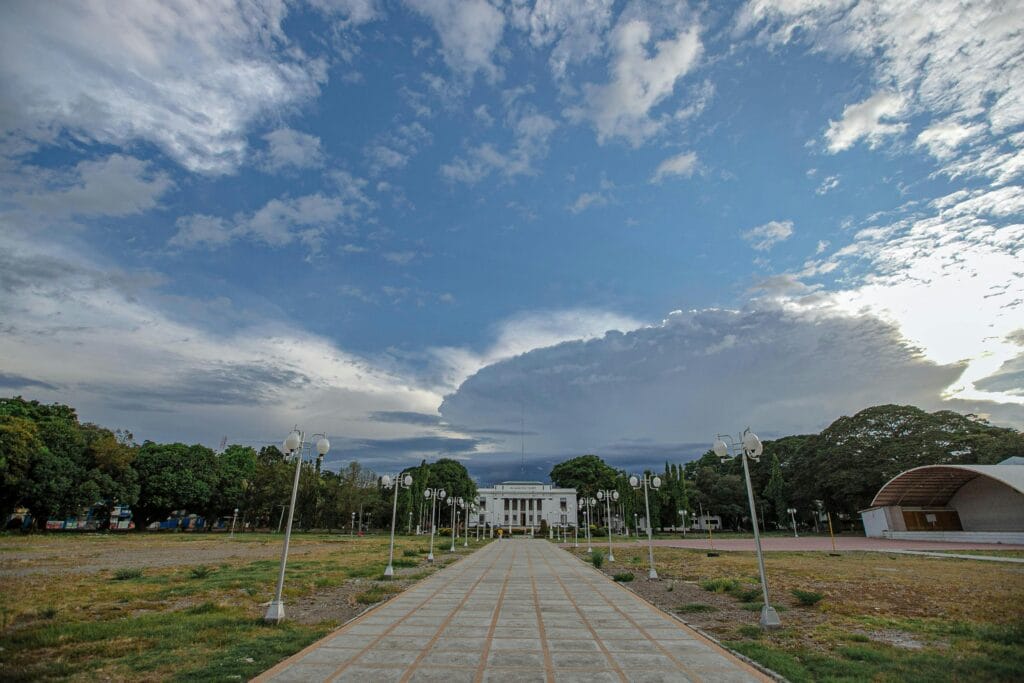

Drainage on pathways is important to keep walking surfaces safe, dry, and durable. Proper drainage prevents water from pooling, which can cause slippery conditions, erosion, or damage to the path materials. It also protects surrounding landscaping from flooding and soil washout. Effective drainage ensures that pathways remain accessible, safe for pedestrians, and low-maintenance, while helping manage stormwater and protect the environment.
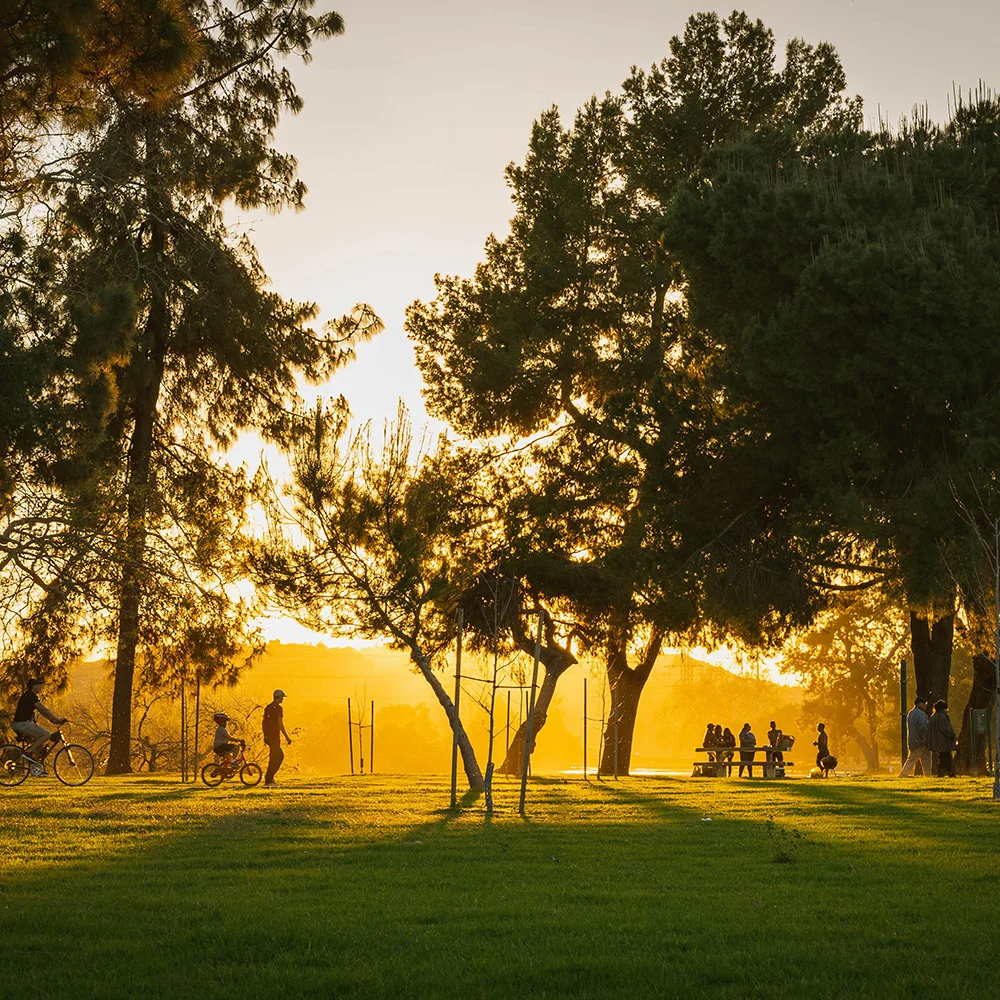
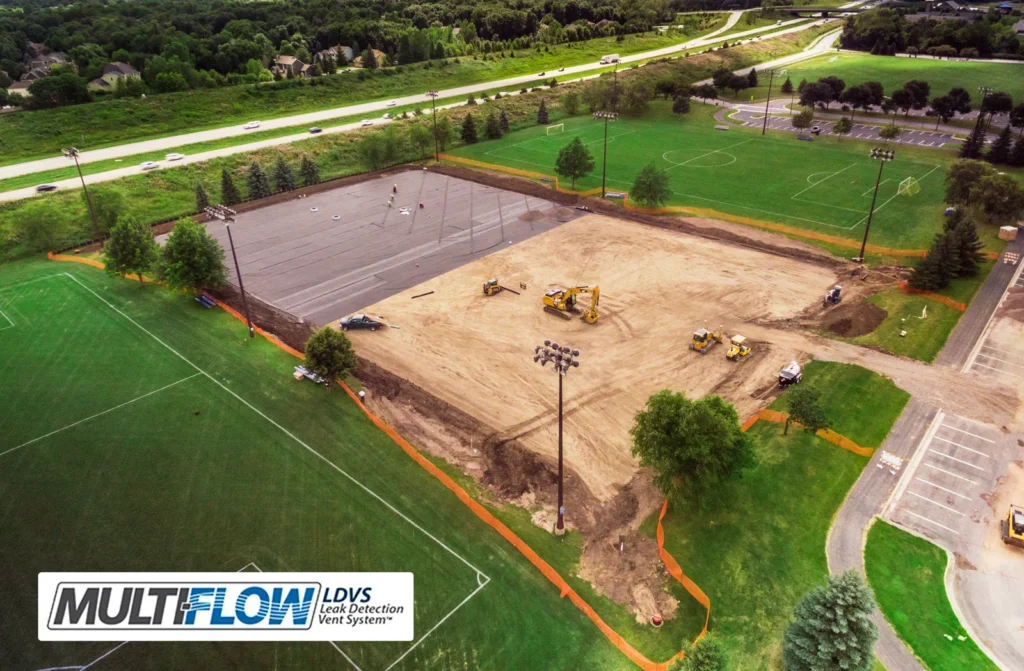
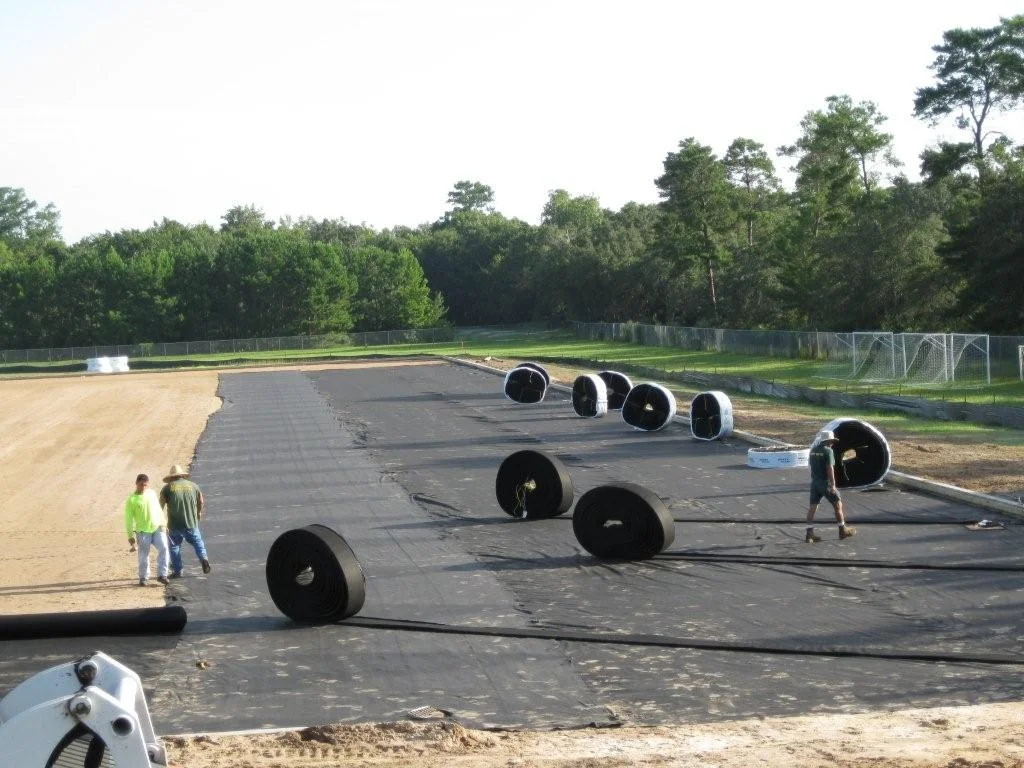
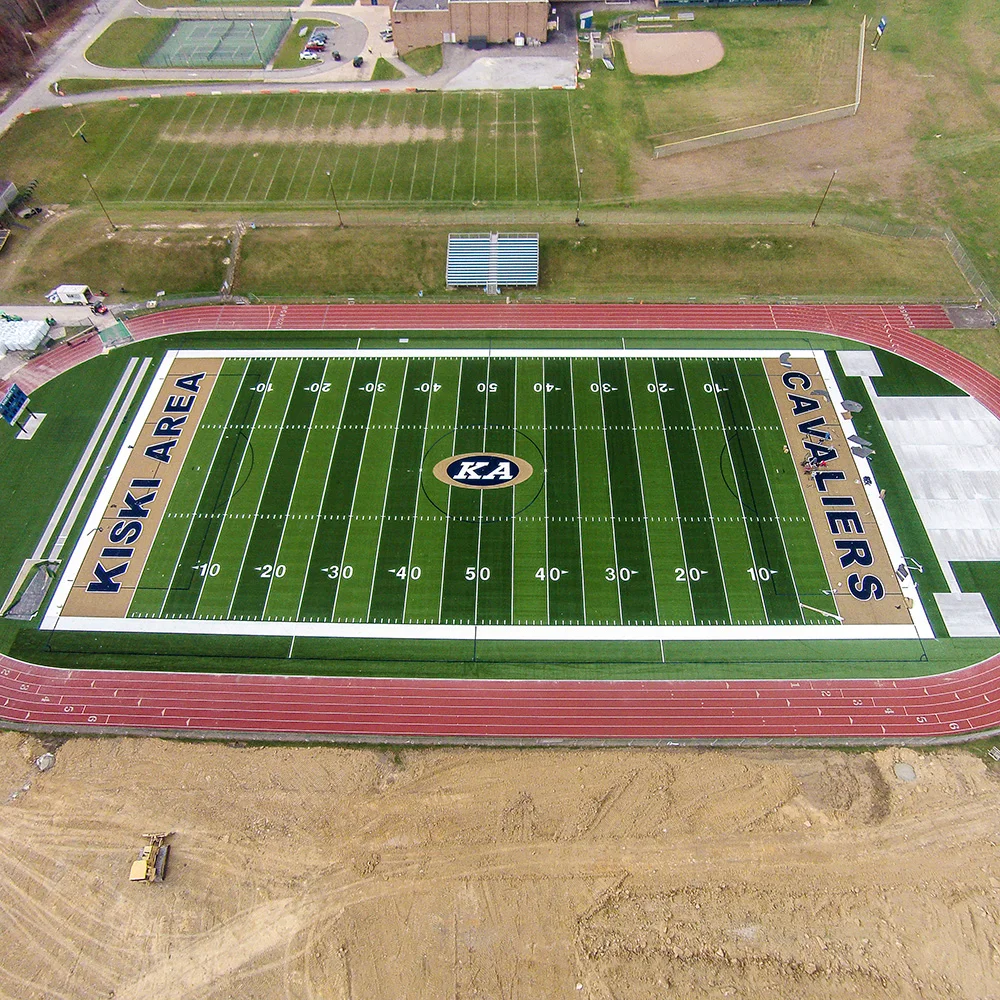
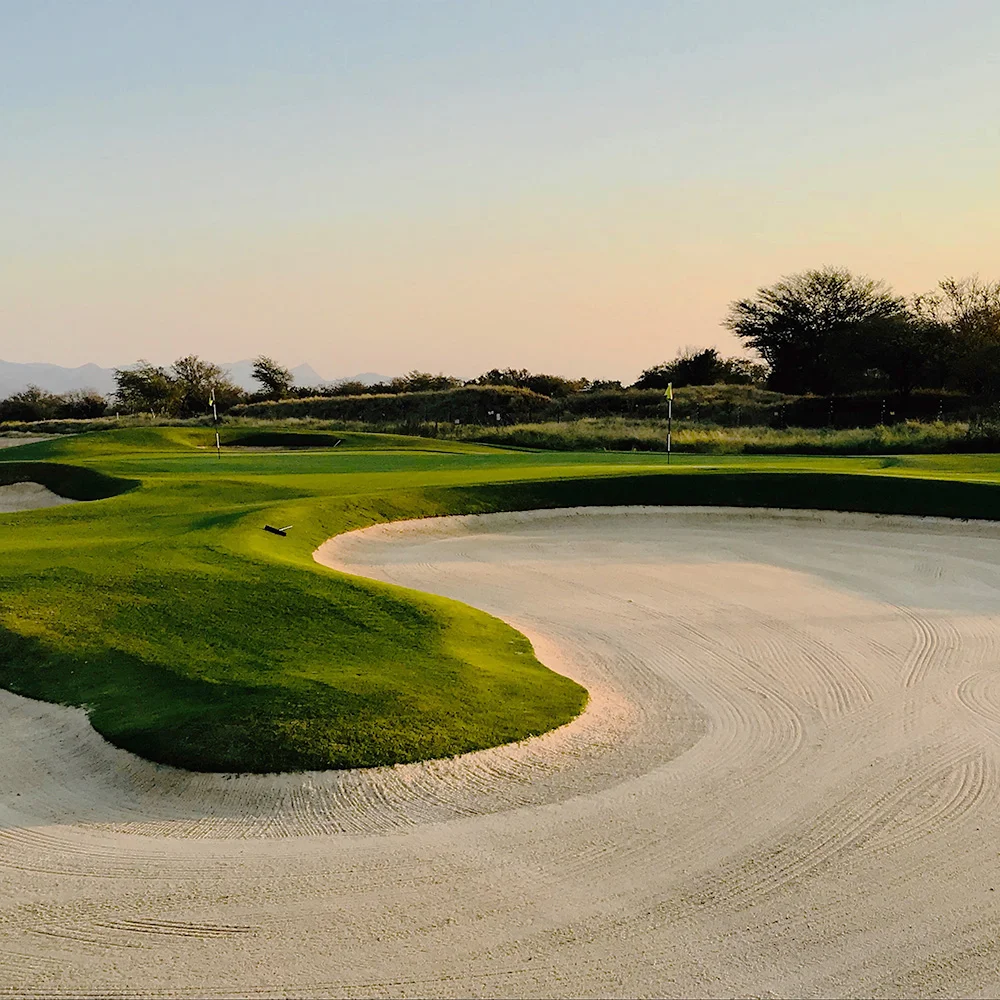
Drainage in open areas is important to prevent waterlogging, soil erosion, and flooding. Proper drainage directs rainwater away, protecting the land, vegetation, and nearby structures from damage. It also maintains the usability of parks, playgrounds, fields, and other open spaces, keeping them safe and accessible. Effective drainage in open areas supports environmental health by reducing stagnant water that can breed pests and ensures the land remains stable and productive.
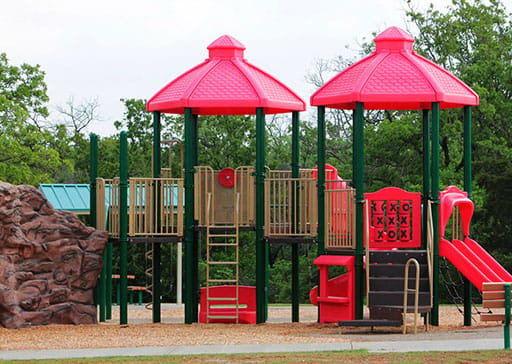
Drainage in playgrounds is important to keep the area safe, clean, and usable. Proper drainage prevents water from accumulating, which can cause slippery surfaces, mud, or damage to play equipment. It also protects the ground and surrounding landscaping from erosion and waterlogging. Effective drainage ensures that children can play safely, reduces maintenance needs, and helps maintain a healthy, durable, and enjoyable playground environment.
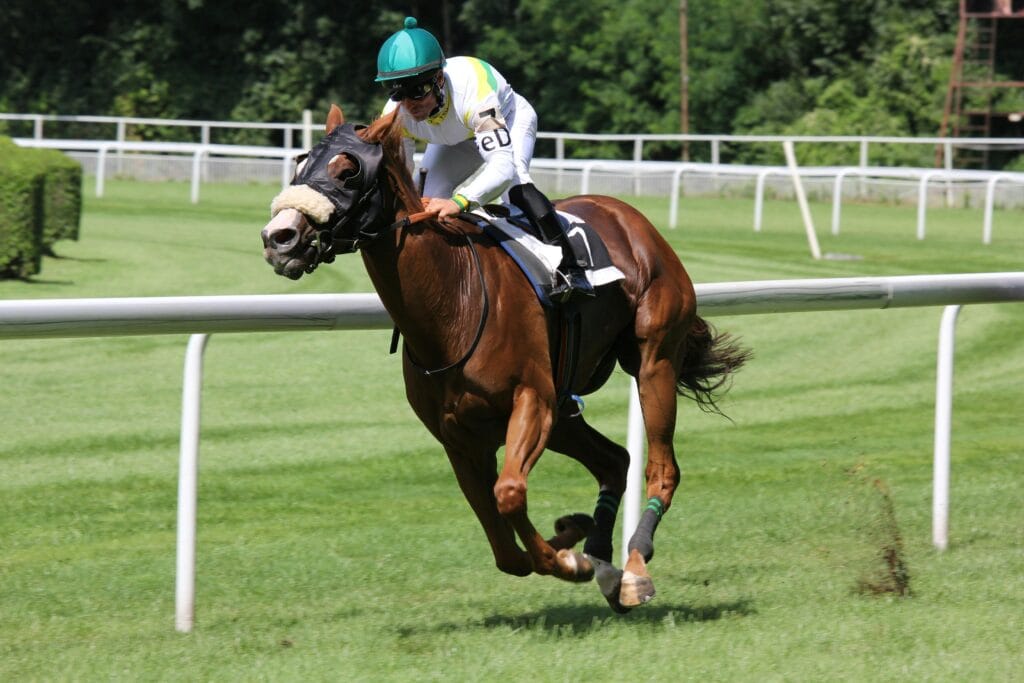
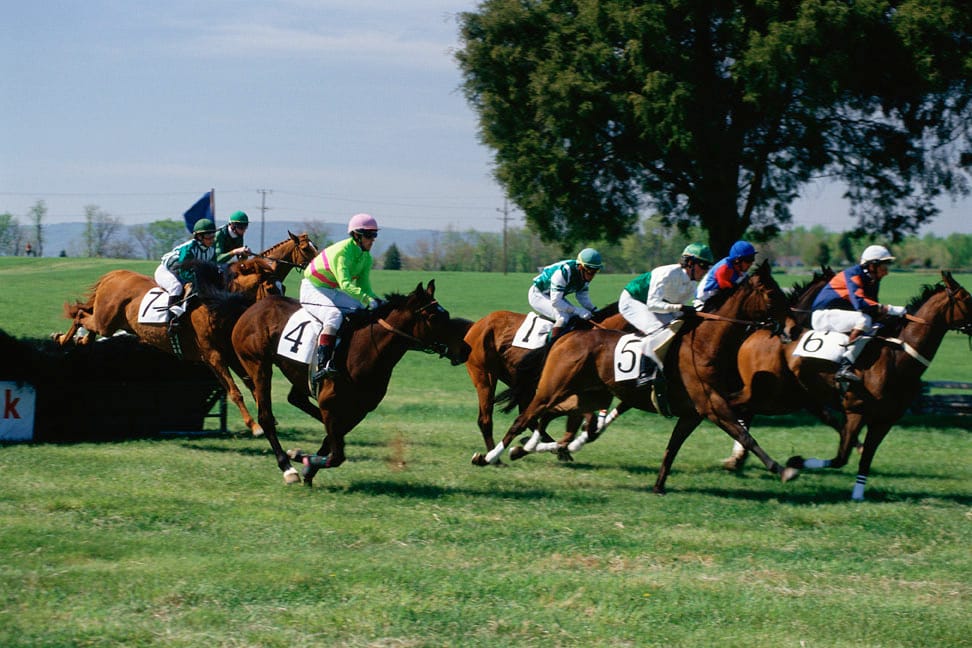
Drainage in equestrian areas is important to keep riding surfaces safe, stable, and healthy for horses and riders. Proper drainage prevents water from pooling, which can create slippery or muddy conditions that increase the risk of injury. It also protects the footing and surrounding soil from erosion, extends the life of arenas and paddocks, and reduces maintenance needs. Effective drainage ensures safe riding conditions, supports horse health, and maintains the usability and durability of equestrian facilities.
Drainage in hardscapes is important to protect paved and constructed surfaces, such as patios, plazas, and driveways, from water damage. Proper drainage prevents water from pooling, which can cause cracks, erosion, and structural weakening. It also reduces slippery surfaces, ensuring safety for pedestrians and vehicles. Effective drainage preserves the durability and appearance of hardscape areas, minimizes maintenance costs, and helps manage stormwater to protect the surrounding environment.
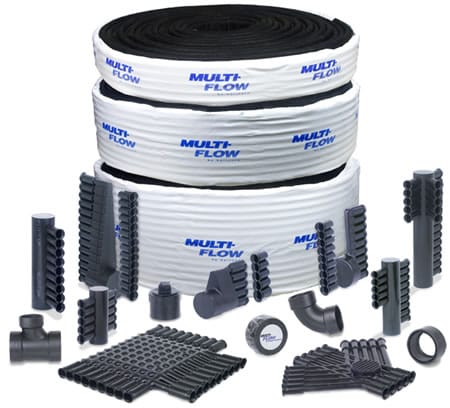
Multi-Flow drainage systems are commonly used in a wide variety of recreational areas in addition to athletic fields. The explosion of Multi-Flow usage is part of a larger trend toward more extensive and intensive drainage in recreational areas. Park directors and maintenance personnel are under persistent pressure to keep their parks and campgrounds attractive and ready for use. Heavy schedules make this a major challenge because use of recreational areas during saturated conditions compacts the soil and consequently threatens the vegetation.
Jogging paths, intensive play areas, clay or grass tennis courts, around swimming pools, campgrounds and picnic areas are common Multi-Flow drainage sites. Many horse paddocks and pastures are also much more usable due to Multi-Flow.
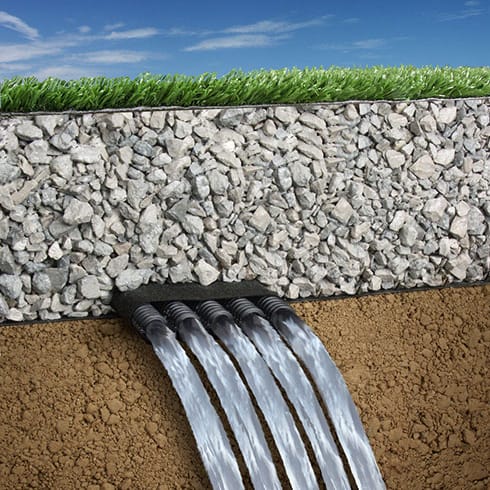
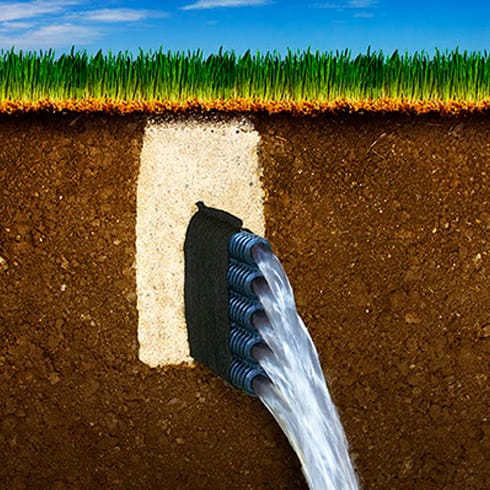
Comparing vertical and horizontal installations Most commonly, Multi-Flow is installed vertically wherever trenching is needed and horizontally wherever trenching can be avoided. When trenching is required, vertical installations take best advantage of Multi-Flow’s narrow profile. Most park applications require trenching.
However, where a nearly impermeable clay base is established, laying Multi-Flow directly on the base locates it where the water accumulates and keeps it out of the way of maintenance equipment. This eliminates the need for trenching but protects the integrity of the base. Under playgrounds, sand volleyball courts, and in planters are examples of this condition.
Multi-Flow and Multi-Flow LDVS are property of Varicore Technologies, Inc.
The information contained on this site, including technical drawings, illustrations, pictures, diagrams, etc., are for recommendation only.
It is sole responsibility of determine correct suitability and usage of materials on project.