
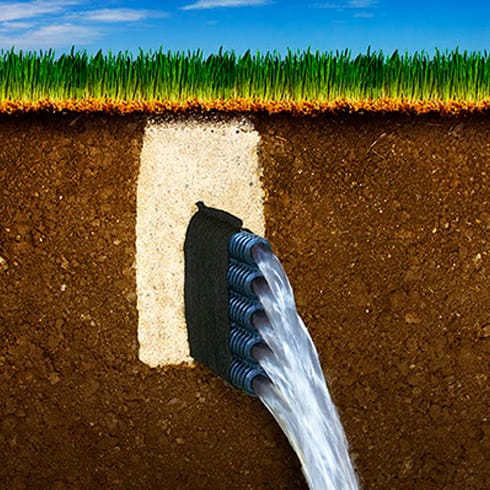
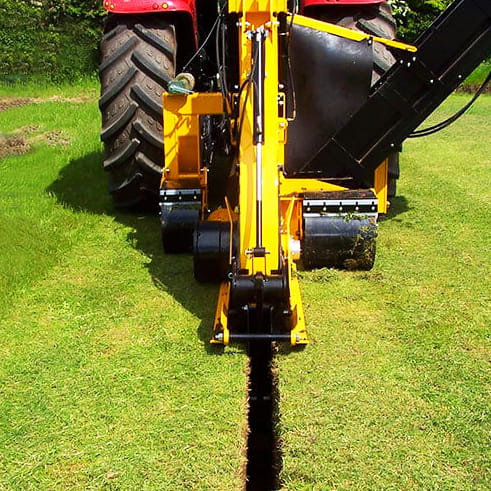
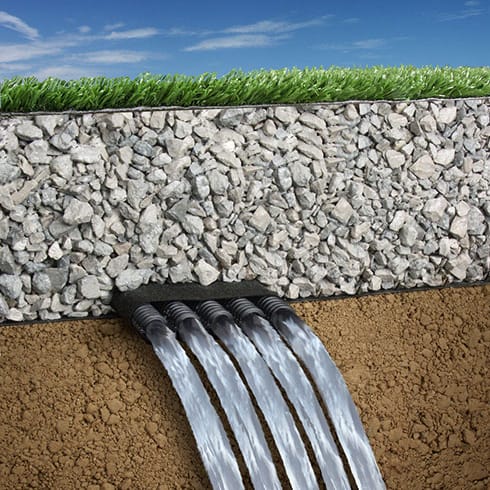
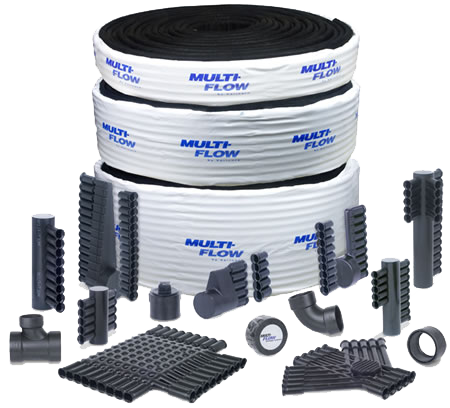
Multi-Flow drainage systems are great for drainage in commercial landscape settings. Contractors use them beneficially in landscapes, along driveways and sidewalks, near foundations and retaining walls, in rooftop gardens and in planters but also as a tool to provide drainage in a construction site and to maintain foundation integrity throughout the life of a building.
The growth of Multi-Flow usage is part of a larger trend toward more extensive and intensive drainage in planters, gardens, and other landscape settings. Heavy use or maintenance during saturated conditions compacts the soil and threatens the plant life. Property managers increasingly want to keep grass, shrubs, trees, and flowers on their entire property healthy, attractive and available for use. Healthy landscapes are vital for a healthy bottom line.
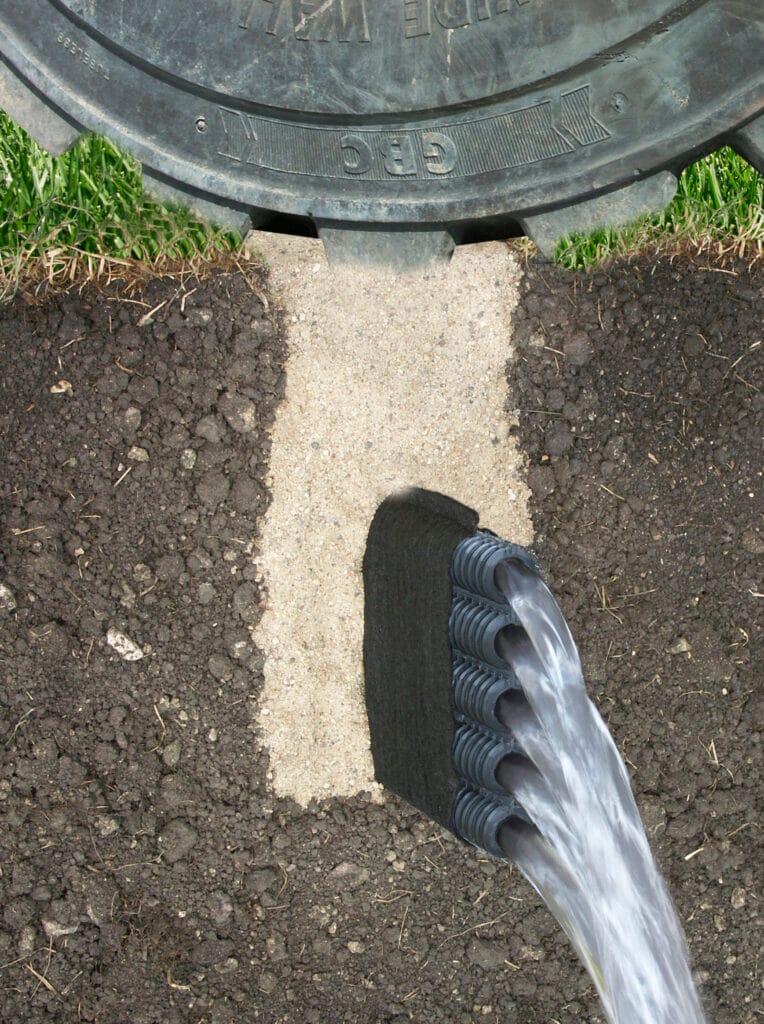
Cemetery drainage is an excellent example of commercial drainage using Multi-Flow to good advantage. Frequently additional drainage is urgently needed but space is very limited. Multi-Flow is the natural choice in addressing this challenge.
Drainage in cemeteries is important to maintain the safety, appearance, and stability of the grounds. Proper drainage prevents water from pooling around graves, pathways, and monuments, which can cause soil erosion, sinking of graves, or damage to headstones. It also keeps walkways dry and safe for visitors. Effective drainage preserves the cemetery’s landscape, protects structures, and ensures a respectful, well-maintained environment.
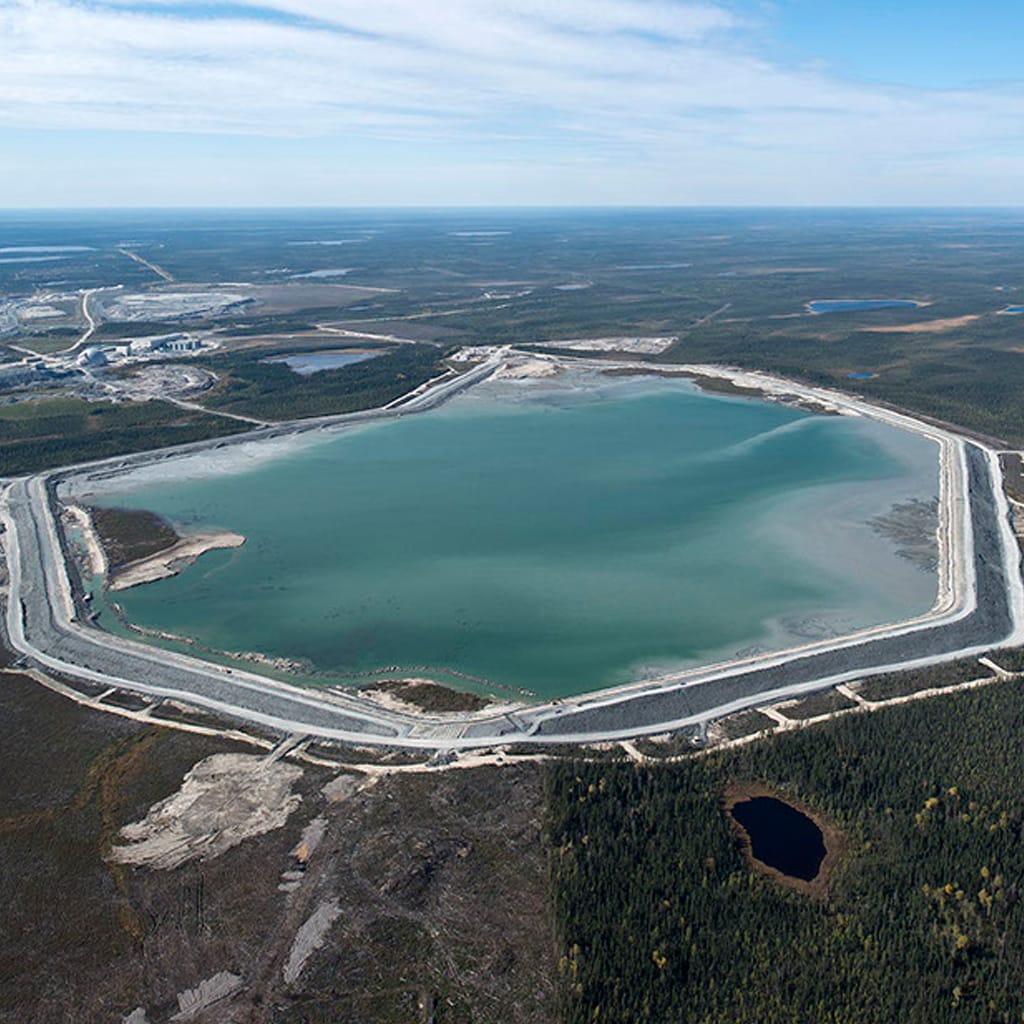
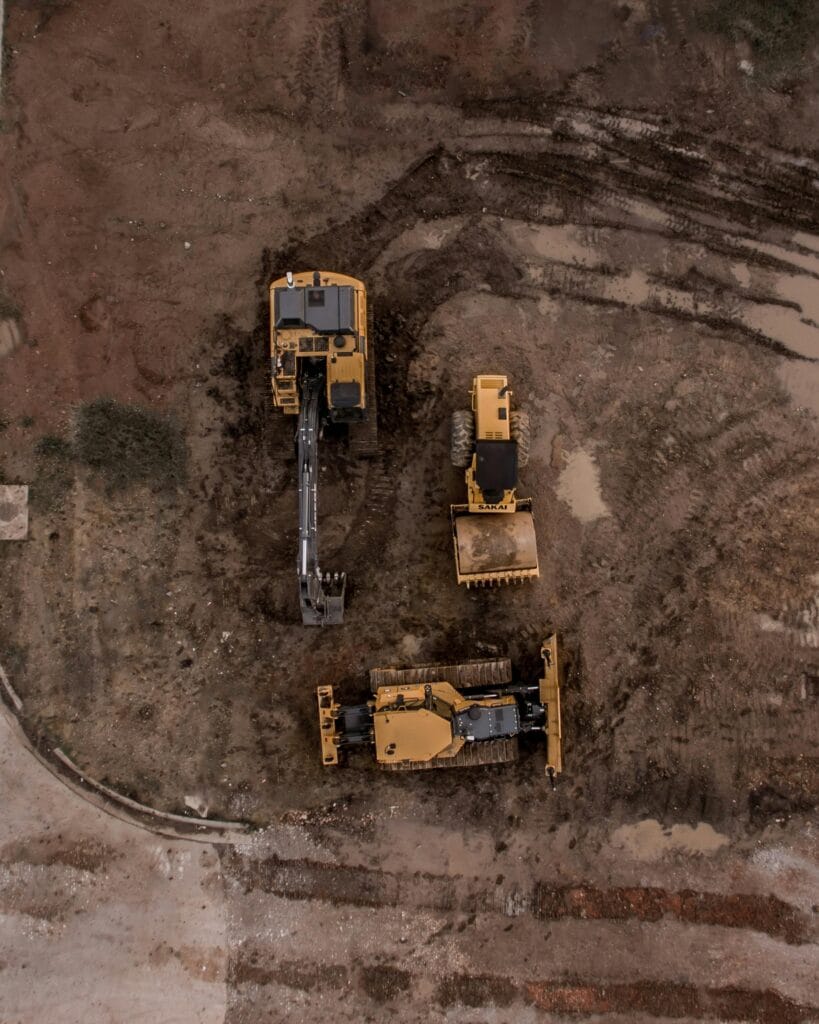
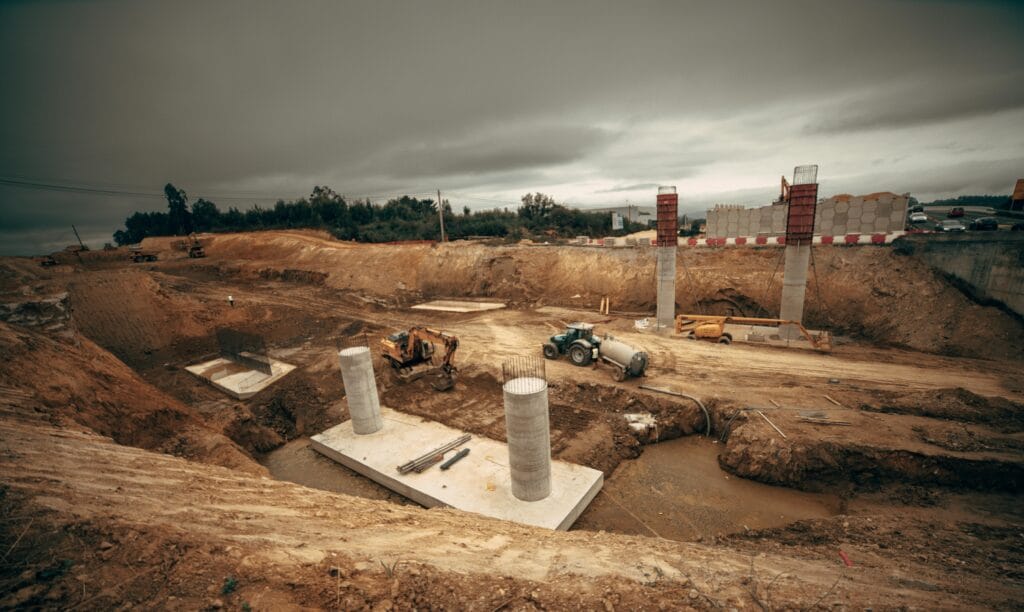
Drainage on construction sites is important to control water flow, prevent flooding, and maintain safe working conditions. Proper drainage removes rainwater and runoff, reducing mud, erosion, and soil instability that can delay work or damage foundations. It also protects construction materials and equipment from water damage and helps manage stormwater to prevent environmental contamination. Effective drainage ensures a safer, more efficient, and sustainable construction process.
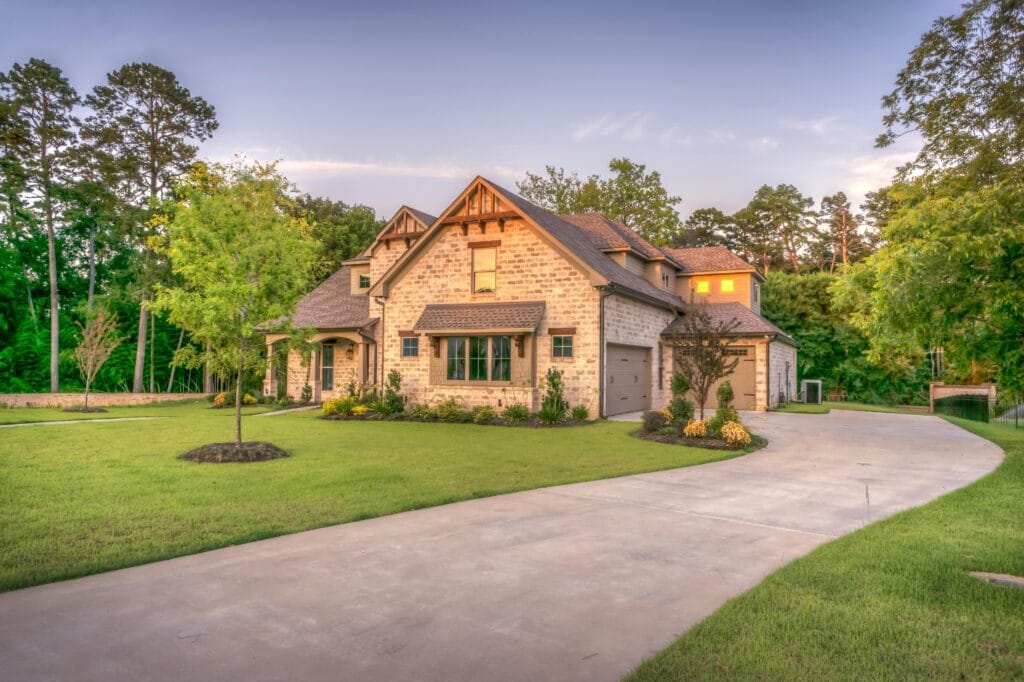
Drainage on driveways is important to prevent water accumulation that can damage the surface and create safety hazards. Proper drainage directs rainwater away, reducing the risk of cracks, potholes, and erosion over time. It also keeps the driveway safe for vehicles and pedestrians by preventing slippery or flooded areas. Effective drainage helps maintain the durability, appearance, and functionality of driveways while minimizing maintenance needs.
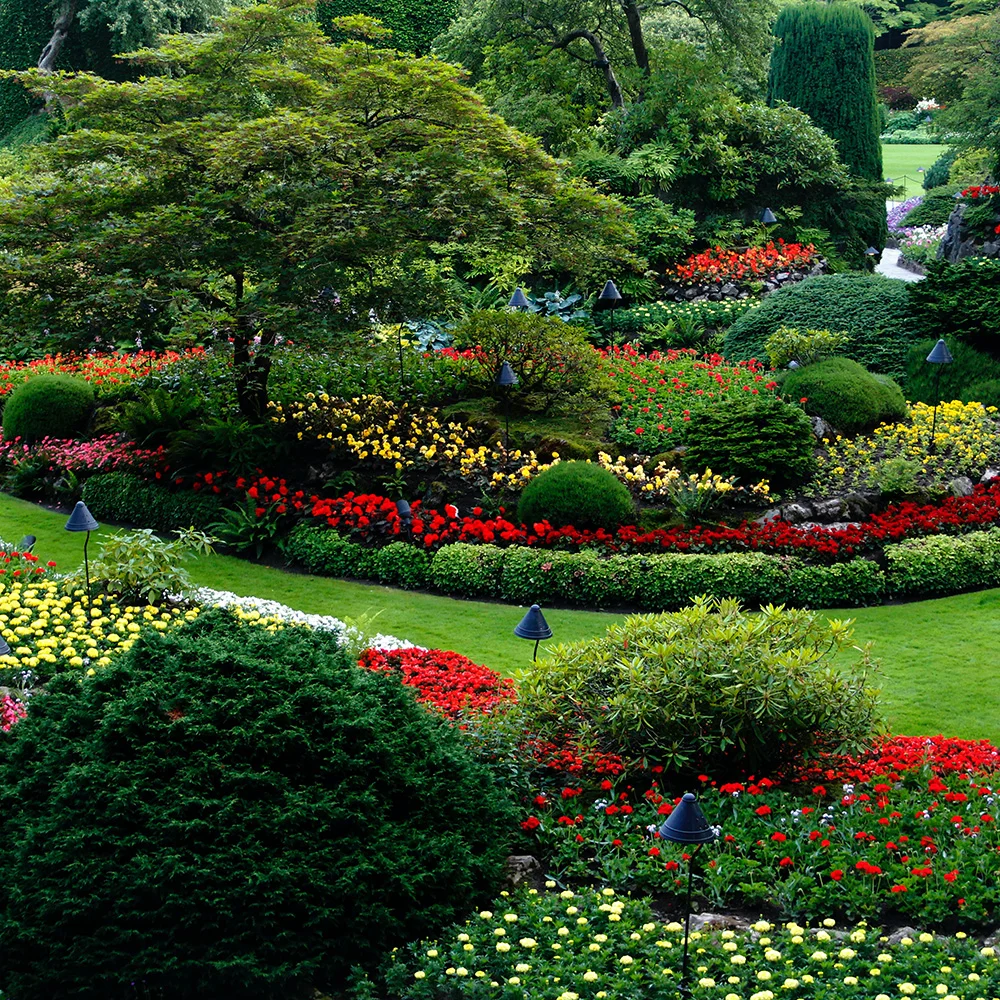
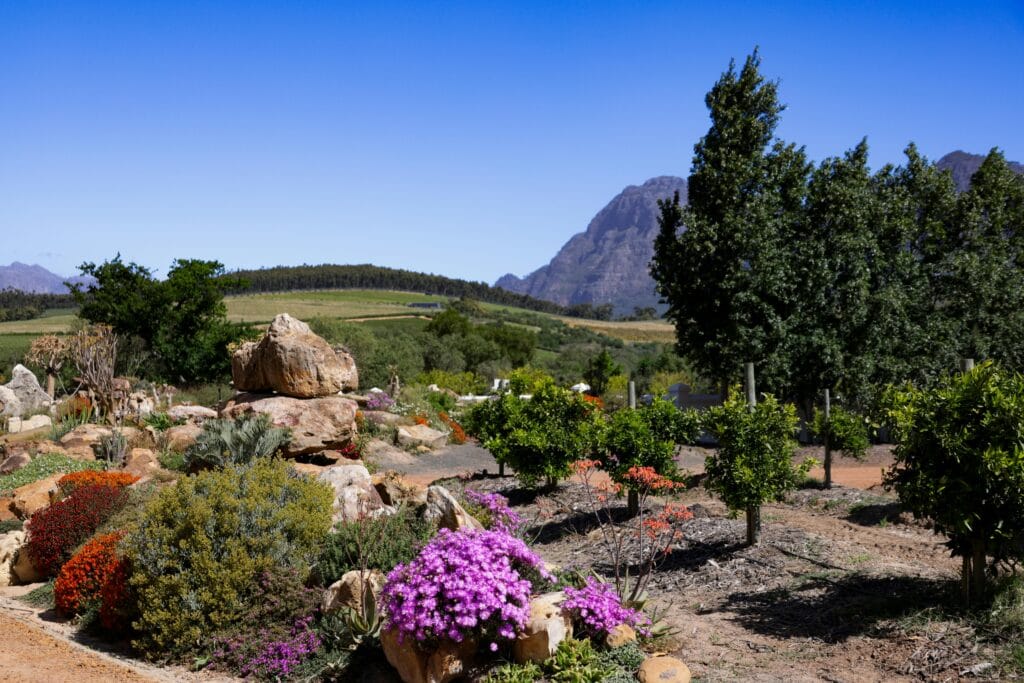
Drainage in flower beds is important to keep plants healthy and prevent water-related damage. Proper drainage prevents water from pooling around roots, which can cause root rot, fungal growth, and plant stress. It also helps maintain soil structure, reduces erosion, and supports strong, healthy plant growth. Effective drainage ensures that flower beds remain attractive, sustainable, and low-maintenance.
Drainage around foundations is important to protect buildings from water damage and structural problems. Proper drainage directs rainwater and runoff away from the foundation, preventing water seepage, soil erosion, and hydrostatic pressure that can cause cracks, settling, or basement flooding. It also helps maintain soil stability and extends the lifespan of the structure. Effective foundation drainage ensures the safety, durability, and long-term stability of buildings.
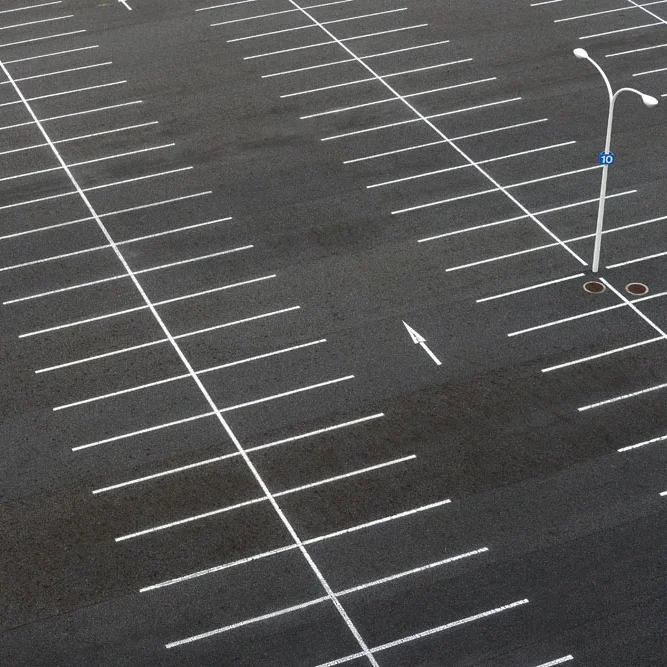
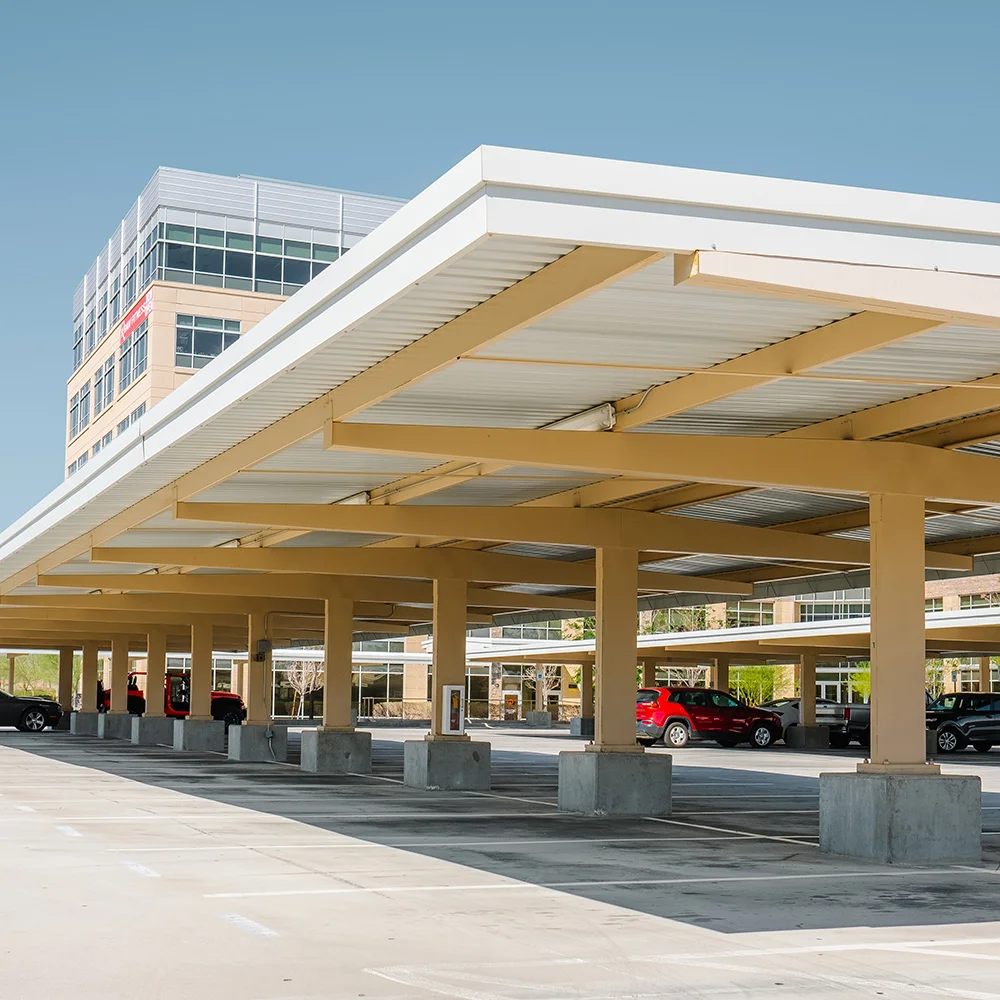
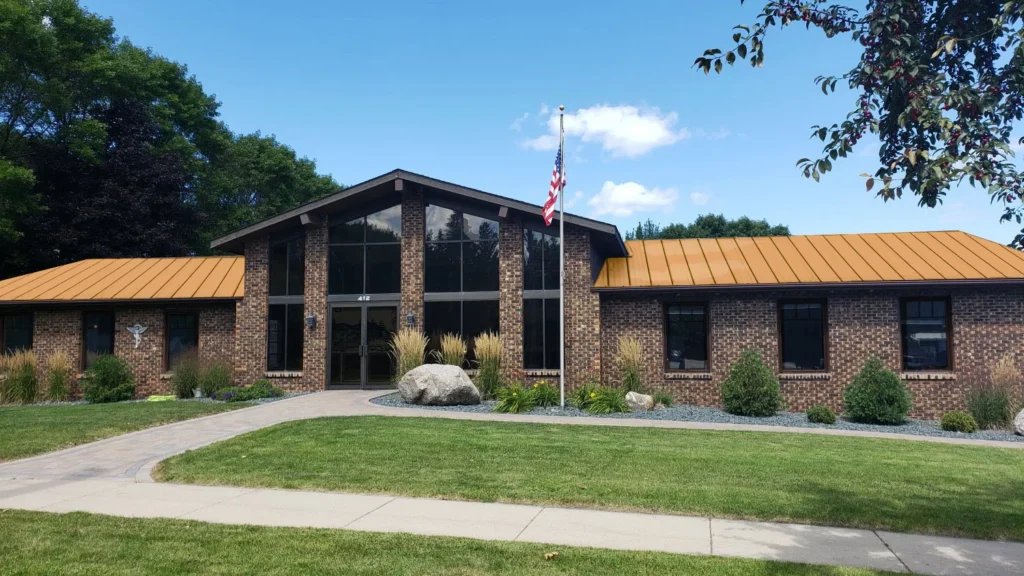
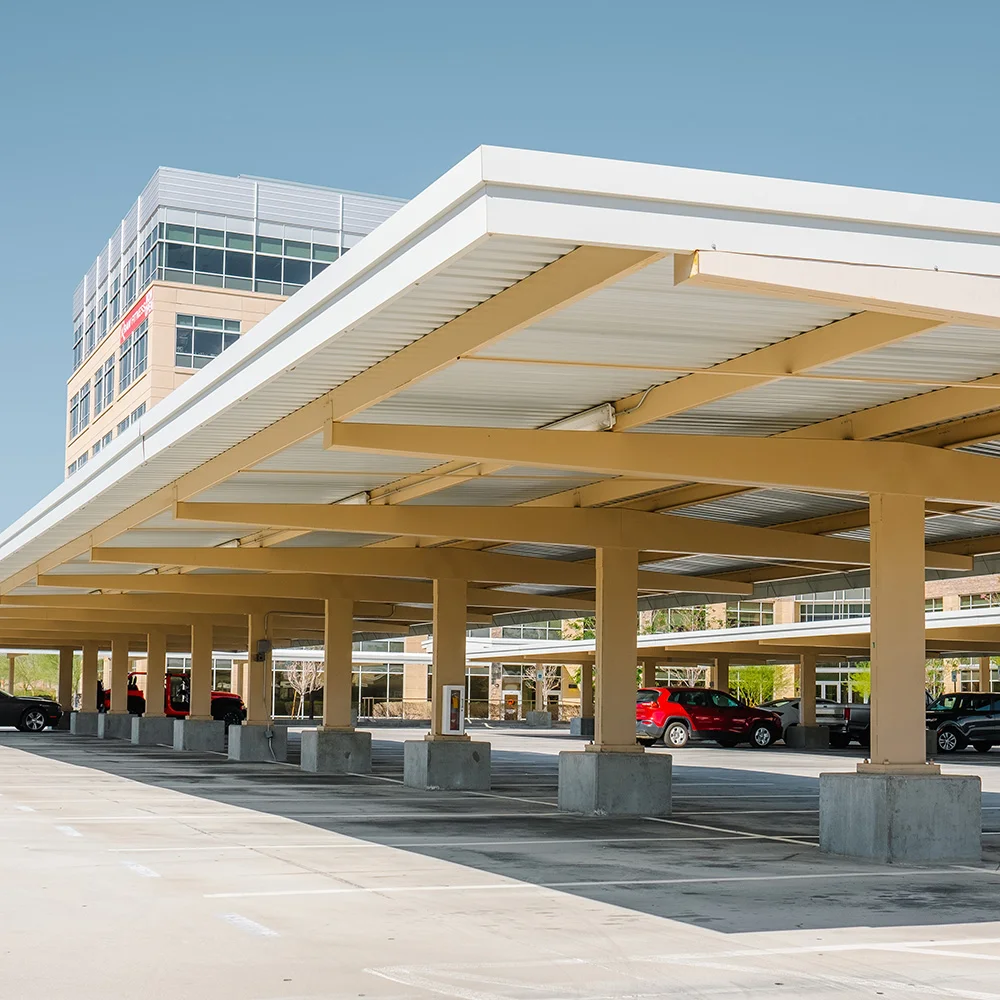
Drainage in office buildings is important to protect the structure, maintain safety, and ensure a comfortable working environment. Proper drainage prevents water accumulation on roofs, around foundations, and in surrounding areas, reducing the risk of leaks, structural damage, and mold growth. It also keeps entrances, walkways, and parking areas safe and dry for employees and visitors. Effective drainage extends the building’s lifespan, minimizes maintenance costs, and supports a healthy, functional workplace.
Drainage behind retaining walls is important to reduce water pressure and maintain structural stability. Proper drainage prevents water from accumulating in the soil, which can cause hydrostatic pressure, erosion, or wall failure. It also protects the wall from cracking, tilting, or collapsing over time. Effective drainage ensures the retaining wall remains strong, durable, and safe while preserving the surrounding landscape.
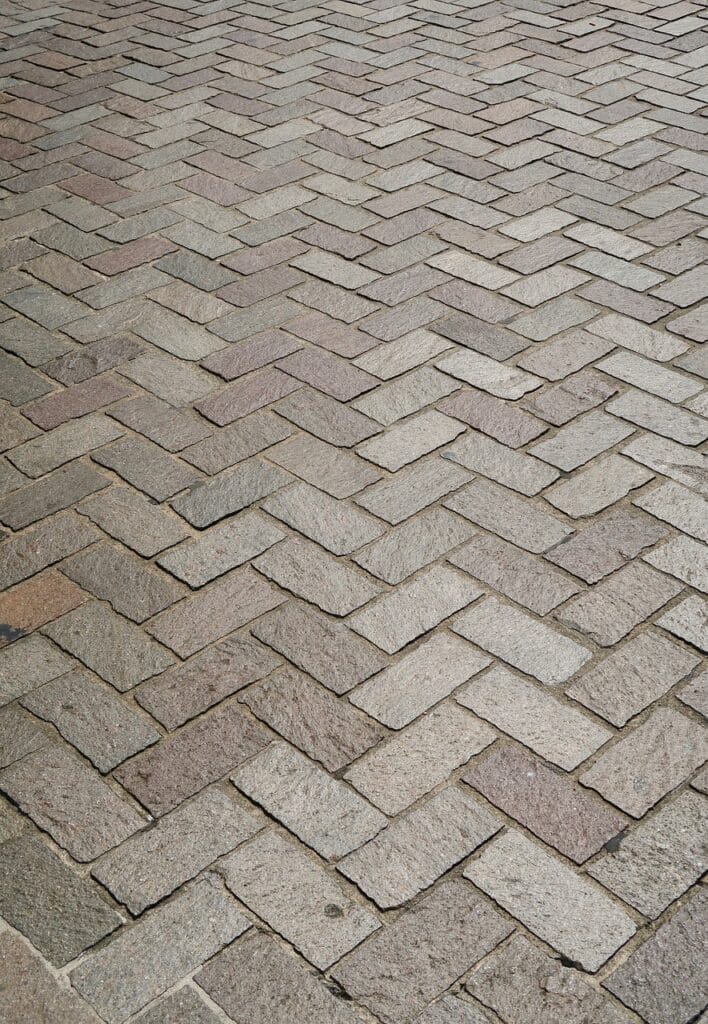
Drainage around pavers is important to prevent water accumulation that can damage the surface and underlying base. Proper drainage reduces the risk of erosion, shifting, or sinking of pavers, keeping walkways, patios, and driveways level and safe. It also prevents slippery surfaces, protects surrounding landscaping, and minimizes maintenance needs. Effective drainage ensures that paver installations remain durable, attractive, and functional over time.
If a trench is needed, vertical is the orientation of choice. Multi-Flow can be installed horizontally where construction requires the top soil to be stripped away to a clay base and new fill is hauled in. In these cases, Multi-Flow is rolled out horizontally and the time and cost of trenching can be by-passed.
Commonly, planters and rooftop gardens are drained using horizontally installed Multi-Flow.
A completed Multi-Flow system typically costs about half as much as a comparable French drain system. Add to that its longer life and Multi-Flow begins to look very attractive!
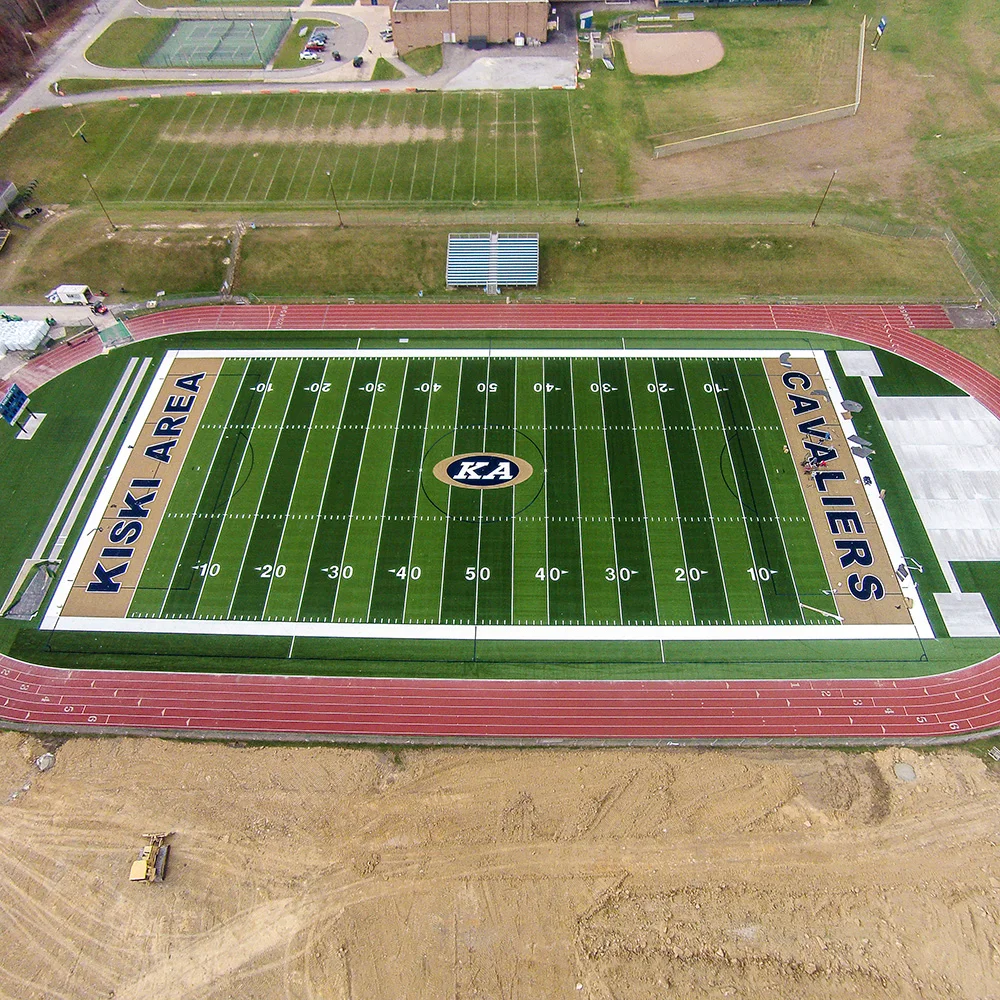
A synthetic football field might cost over $8.00 per square foot to construct. Implementing the drainage system typically costs another $0.10 per square foot. Overlooking the drainage, or using inferior drainage products might put the entire field a risk and save only pennies per square foot.
Multi-Flow and Multi-Flow LDVS are property of Varicore Technologies, Inc.
The information contained on this site, including technical drawings, illustrations, pictures, diagrams, etc., are for recommendation only.
It is sole responsibility of determine correct suitability and usage of materials on project.