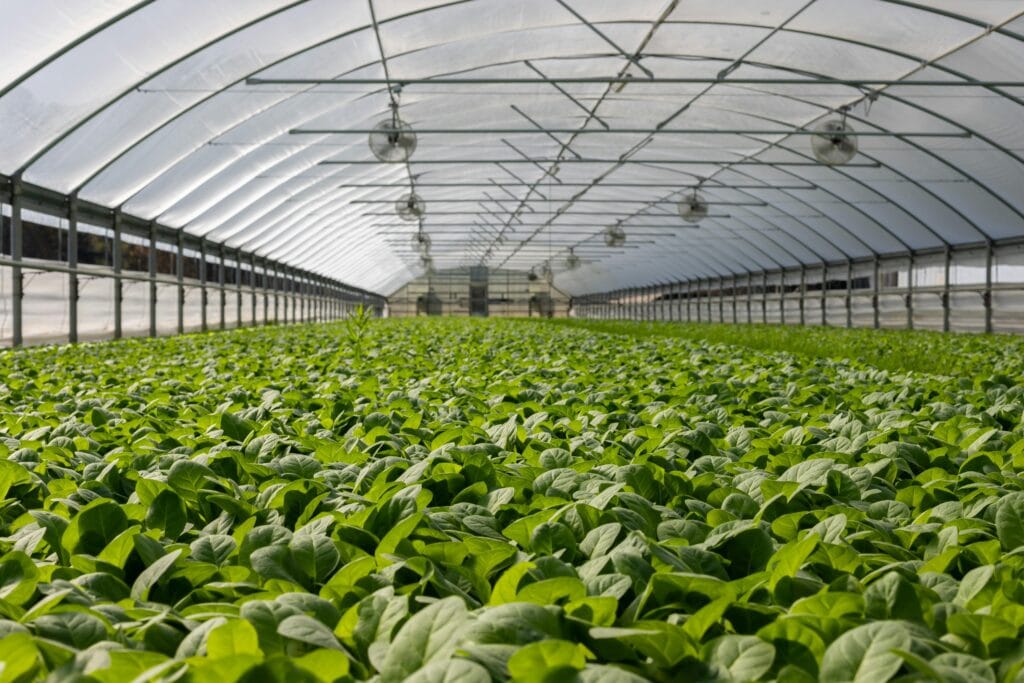
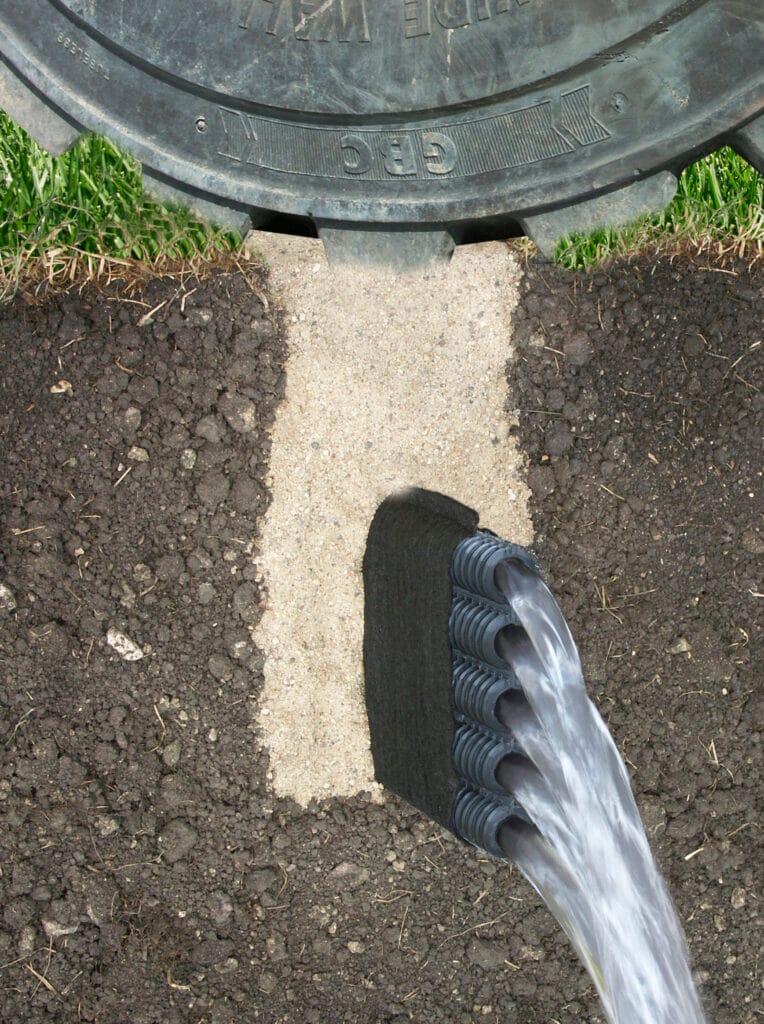
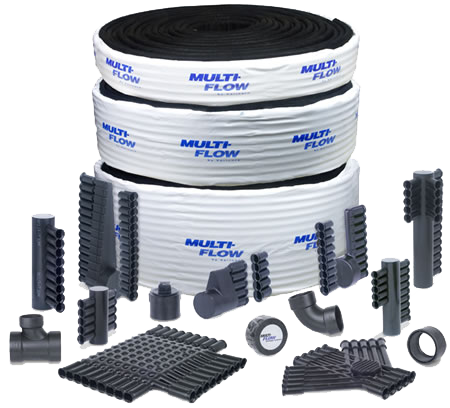
Multi-Flow drainage systems are great for drainage in greenhouse and nursery settings. Recovering water, whether from irrigation in enclosed greenhouses or from excess rainfall and irrigation in outdoor nursery settings, is easier and more effective with Multi-Flow. Recovering this water is often essential to prevent run-off and to recapture valuable nutrients.
Multi-Flow is typically installed vertically if it has to be trenched in. Occasionally it is installed horizontally in large planter boxes.
Drainage in flower farms is important to maintain healthy plants and maximize crop yield. Proper drainage prevents water from pooling around roots, which can cause root rot, fungal diseases, and poor growth. It also helps control soil erosion, maintains soil structure, and ensures nutrients are available to plants. Effective drainage supports strong, vibrant flowers, reduces maintenance problems, and promotes sustainable and productive farming.
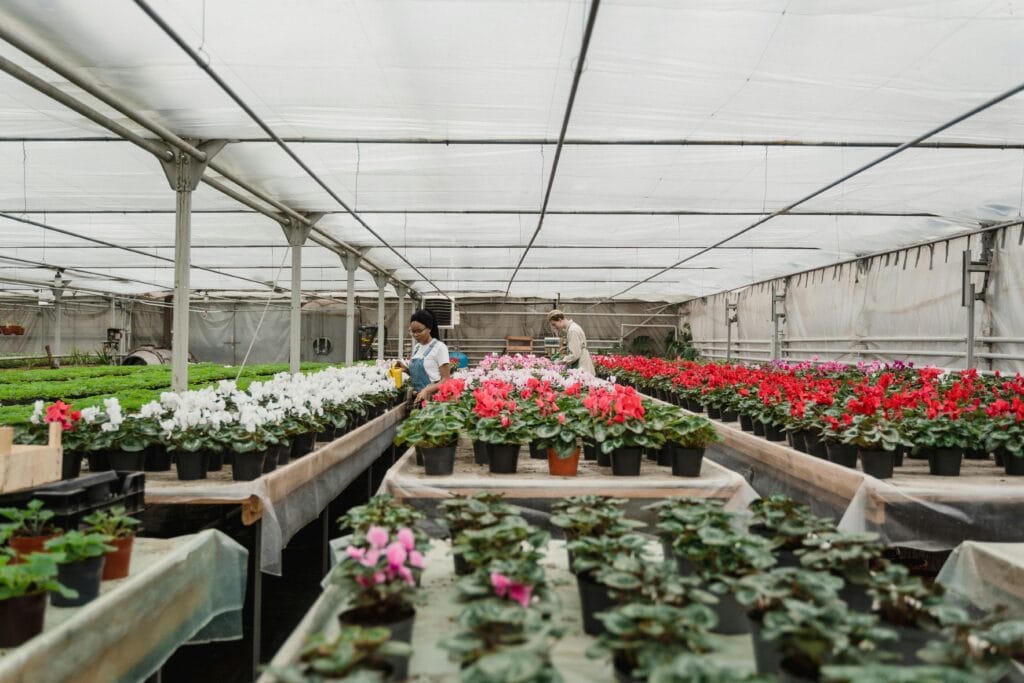
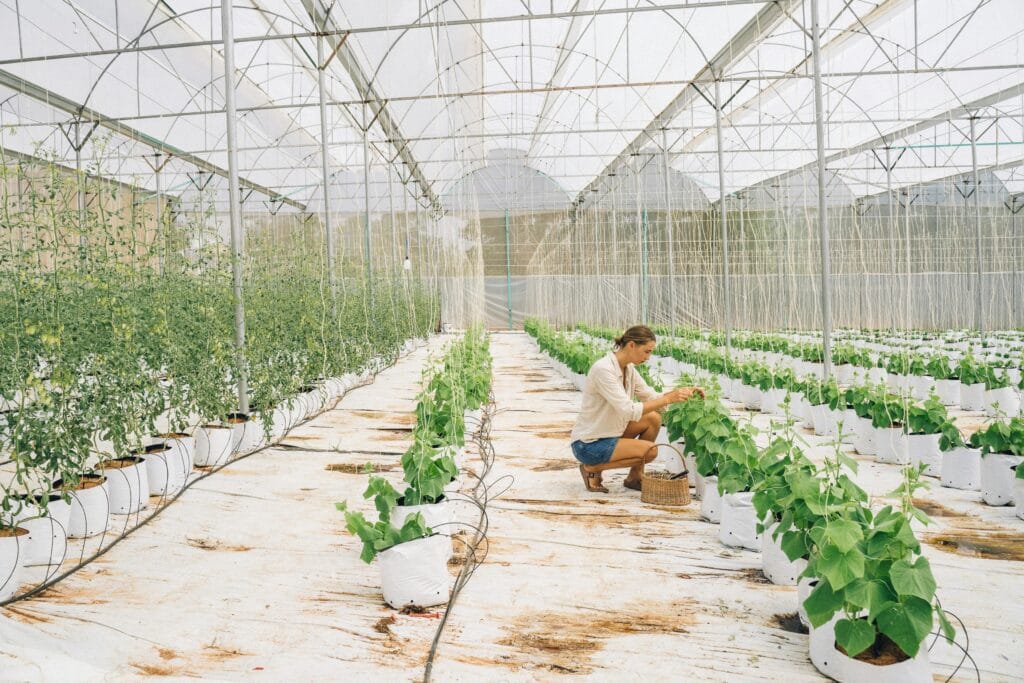
Drainage in greenhouses is important to maintain healthy plant growth and prevent water-related problems. Proper drainage prevents water from accumulating in pots, beds, or trays, reducing the risk of root rot, fungal diseases, and nutrient imbalances. It also helps control soil moisture levels, supports proper aeration, and protects greenhouse structures from water damage. Effective drainage ensures plants thrive, maintenance is easier, and the greenhouse environment remains safe and productive.
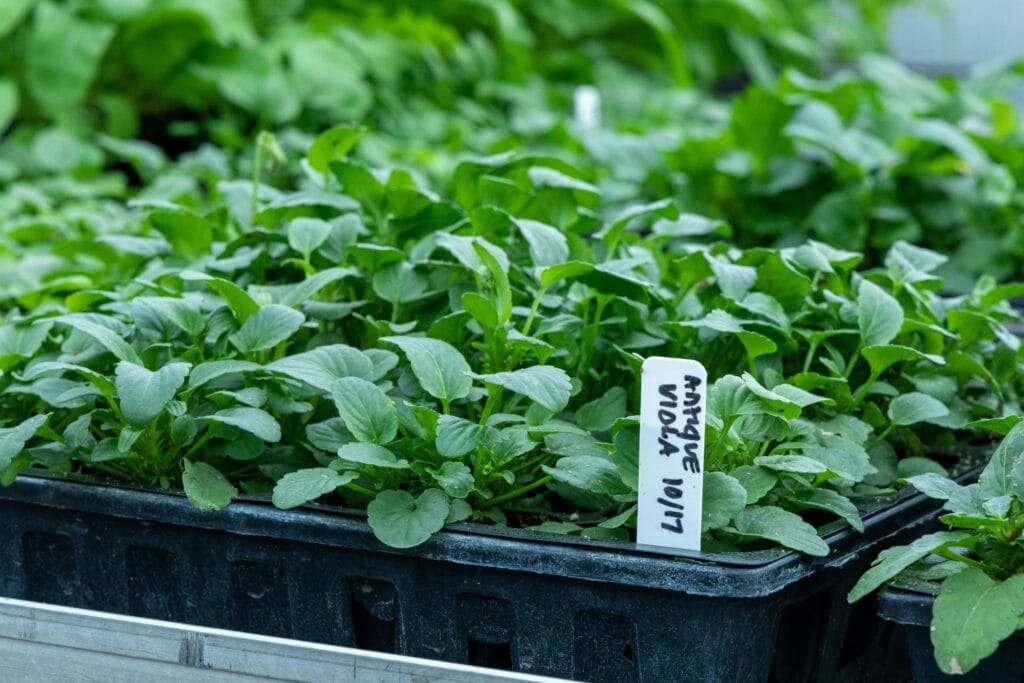
Drainage in plant nurseries is important to keep plants healthy and promote strong growth. Proper drainage prevents water from pooling around roots, reducing the risk of root rot, fungal infections, and soil compaction. It also helps maintain soil structure, ensures proper aeration, and protects nursery pathways and structures from water damage. Effective drainage ensures a healthy, productive nursery, minimizes plant loss, and supports efficient management of water resources.
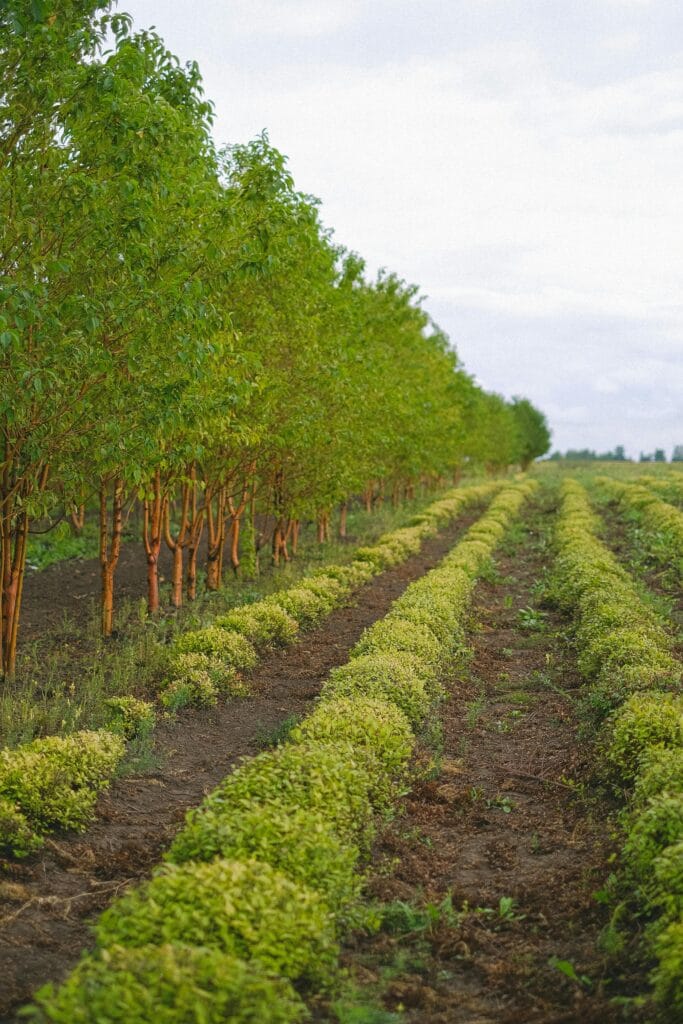
Drainage in orchard plantations is important to ensure healthy tree growth and maximize fruit production. Proper drainage prevents waterlogging around tree roots, which can cause root rot, nutrient deficiencies, and reduced yield. It also helps control soil erosion, maintain soil structure, and protect orchard infrastructure from water damage. Effective drainage ensures strong, productive trees, minimizes maintenance problems, and supports sustainable orchard management.
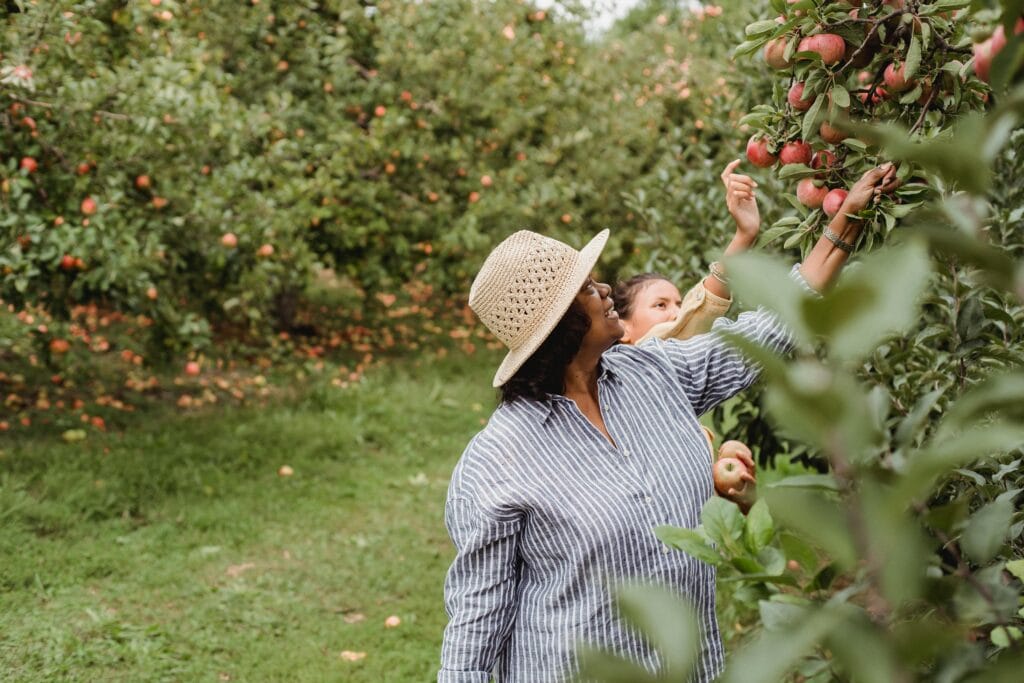
Drainage in orchards is important to keep trees healthy and productive. Proper drainage prevents water from accumulating around roots, reducing the risk of root rot, nutrient loss, and poor fruit development. It also helps control soil erosion, maintain soil structure, and protect irrigation systems and pathways. Effective drainage ensures strong tree growth, higher yields, and sustainable orchard management.
Drainage for seedlings is important to ensure healthy growth and prevent plant loss. Proper drainage prevents water from pooling around young roots, reducing the risk of root rot, fungal infections, and nutrient deficiencies. It also helps maintain soil aeration and structure, supporting strong and vigorous seedling development. Effective drainage ensures higher survival rates, healthier plants, and more successful cultivation.
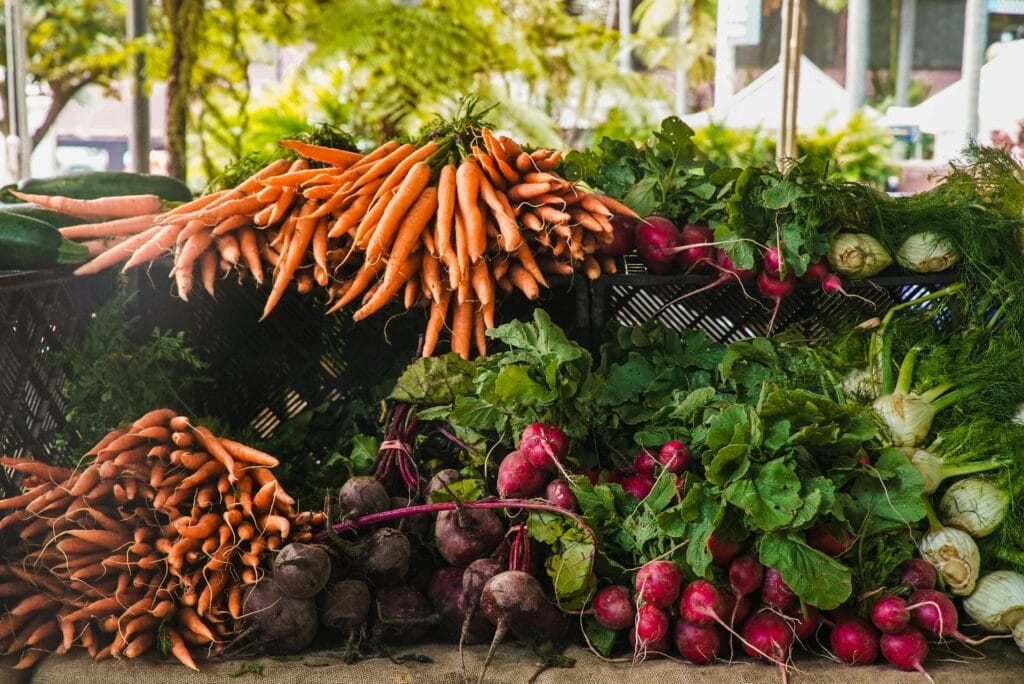
Drainage in vegetable gardens is important to promote healthy plant growth and prevent crop loss. Proper drainage prevents water from pooling around roots, which can cause root rot, fungal diseases, and nutrient deficiencies. It also helps maintain soil structure, supports proper aeration, and reduces soil erosion. Effective drainage ensures strong, productive vegetable plants, higher yields, and sustainable garden management.
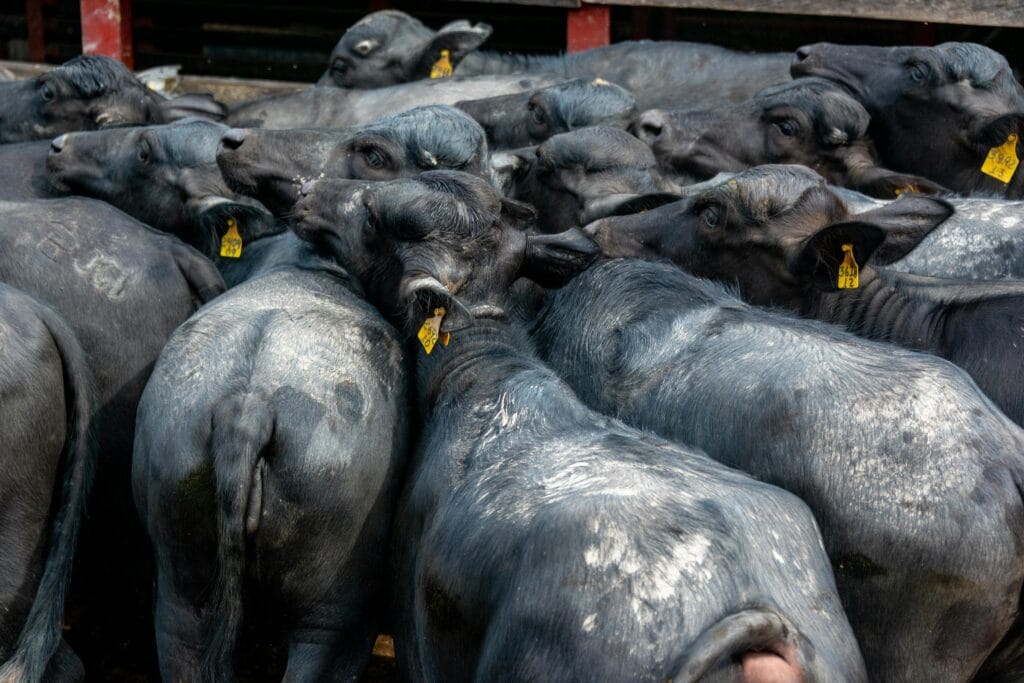
Drainage in stockyards is important to maintain animal health, safety, and hygiene. Proper drainage prevents water from accumulating, which can create muddy, slippery, and unsanitary conditions that increase the risk of disease and injury. It also helps control odors, reduces erosion, and protects the structural integrity of pens and pathways. Effective drainage ensures a cleaner, safer, and more manageable environment for livestock.
Whether it is for new construction or addressing an existing problem, Multi-Flow is a wise choice because Multi-Flow is effective, convenient, durable and, affordable.
A completed Multi-Flow system typically costs about half as much as a comparable French drain system. Add to that its longer life and Multi-Flow begins to look very attractive!
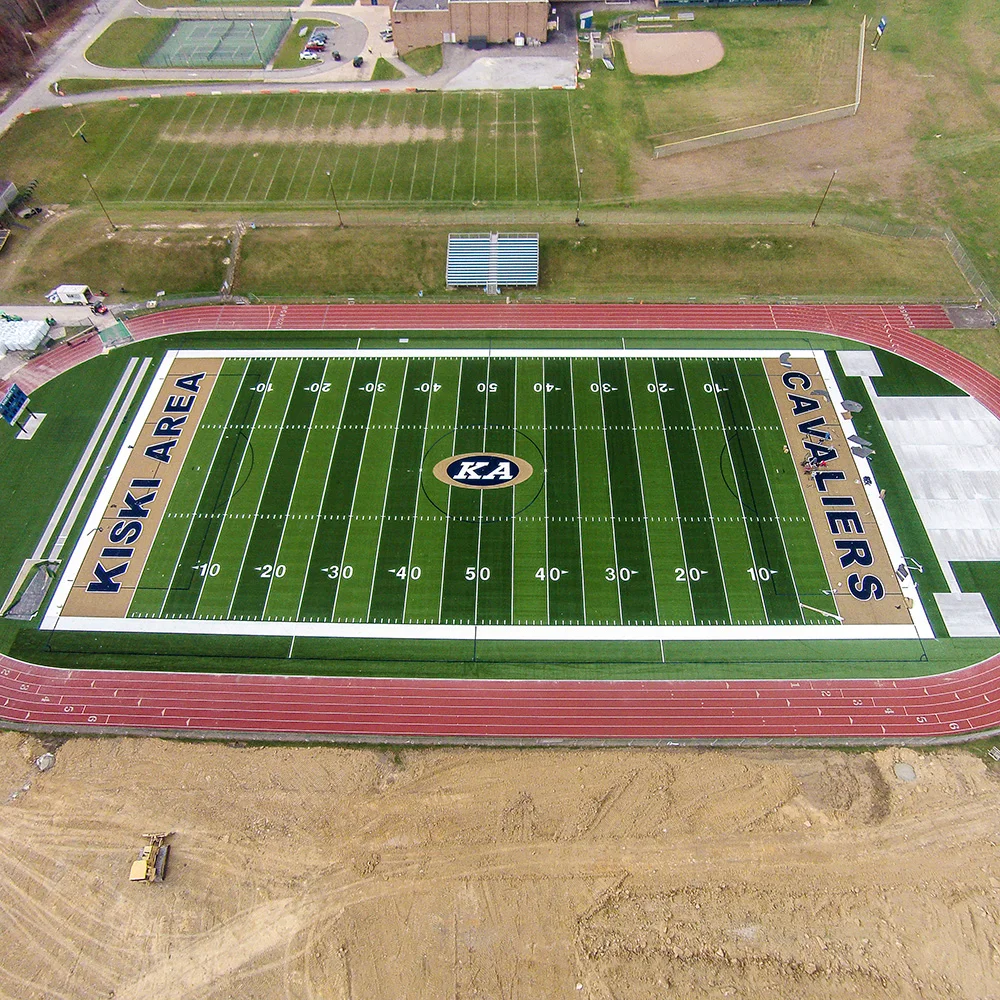
A synthetic football field might cost over $8.00 per square foot to construct. Implementing the drainage system typically costs another $0.10 per square foot. Overlooking the drainage, or using inferior drainage products might put the entire field a risk and save only pennies per square foot.
Multi-Flow and Multi-Flow LDVS are property of Varicore Technologies, Inc.
The information contained on this site, including technical drawings, illustrations, pictures, diagrams, etc., are for recommendation only.
It is sole responsibility of determine correct suitability and usage of materials on project.