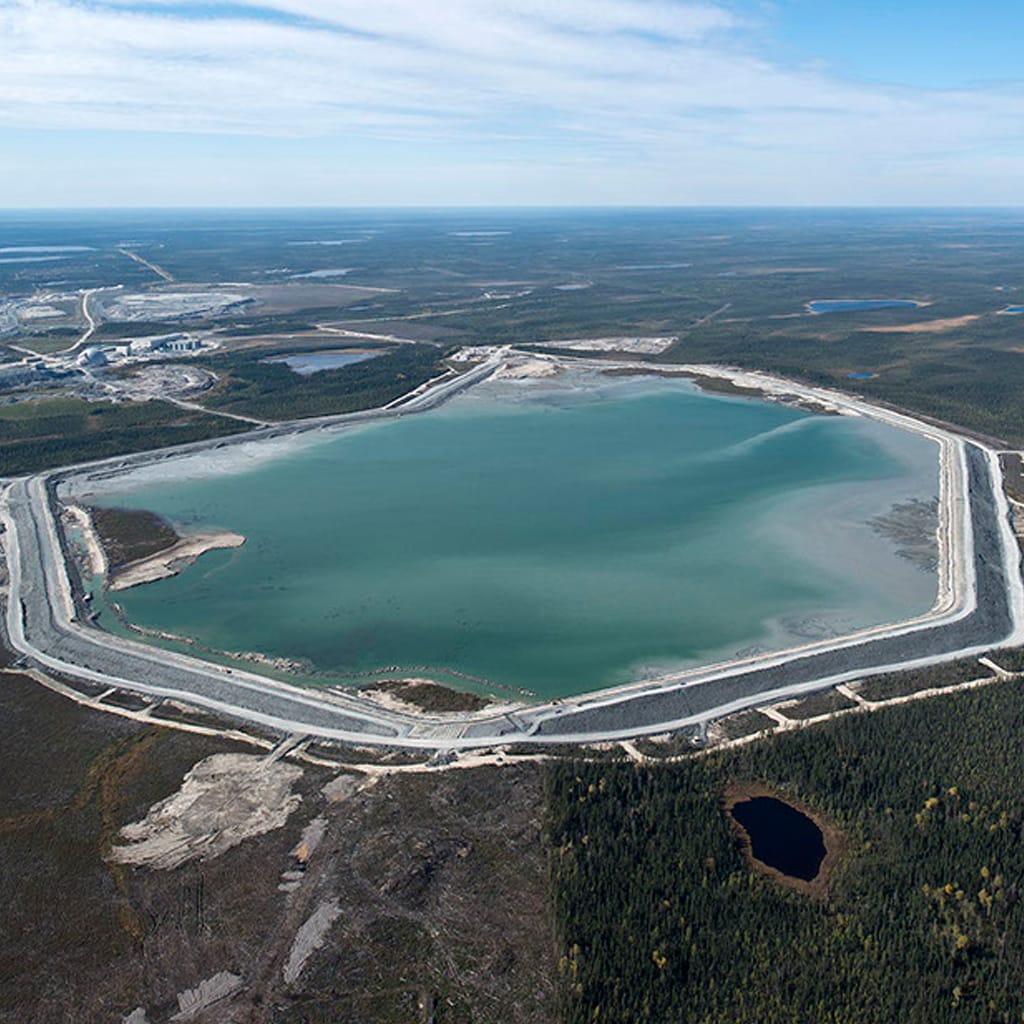
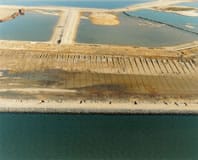
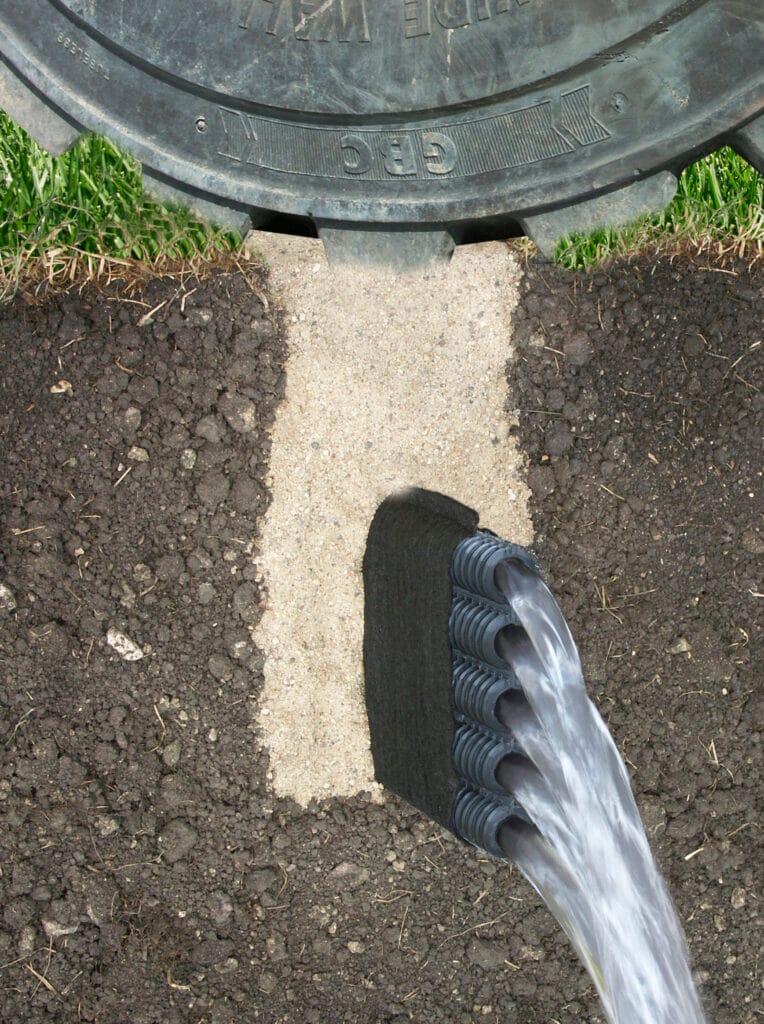
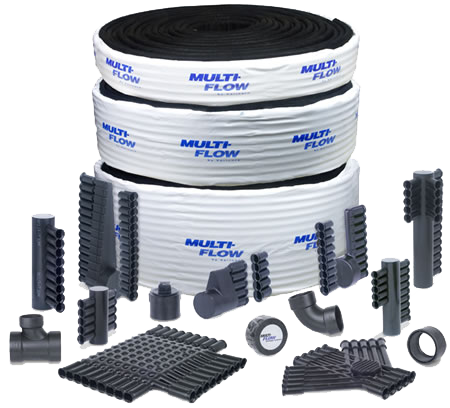
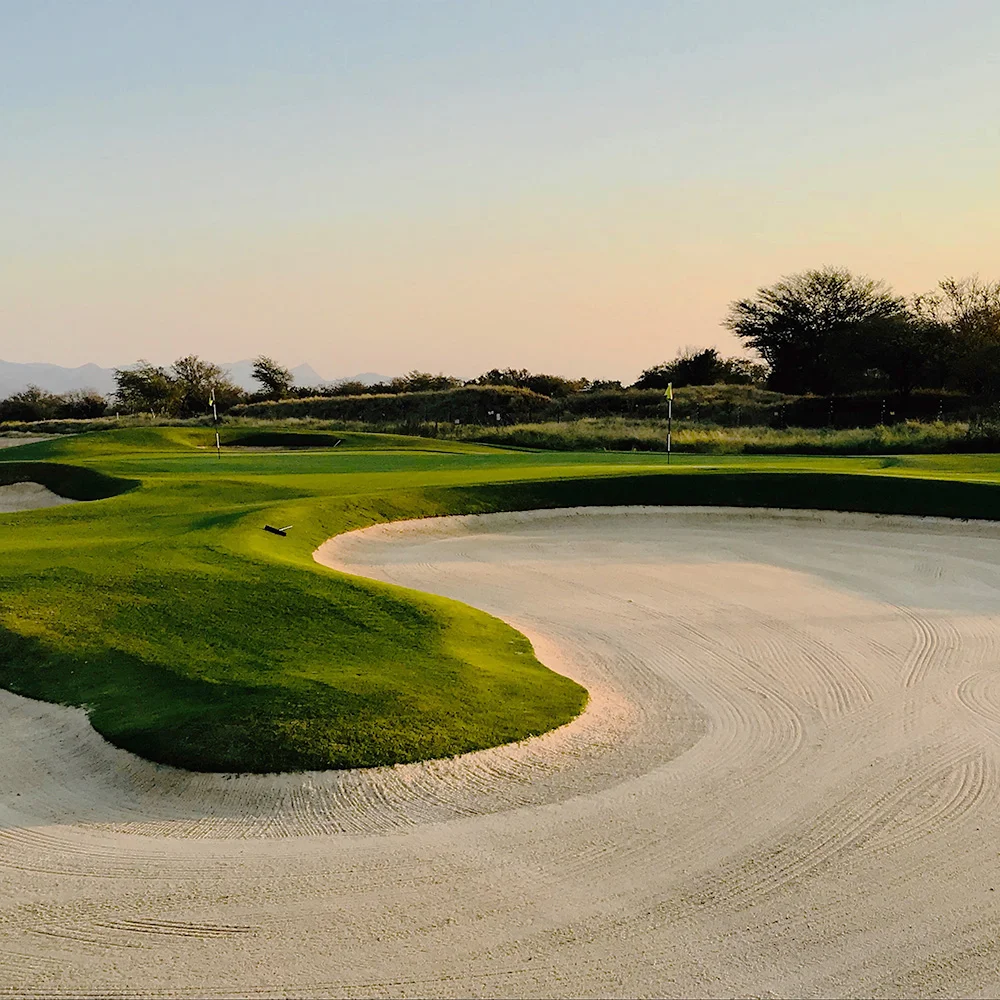
Multi-Flow drainage systems serve exceptionally well in a wide variety of civil projects. It is used beneficially in landfill sites, mine and leach pile settings, desaturation projects, rail lines, railroad yards, storage lagoons, earthen dams, and in decontamination processes.
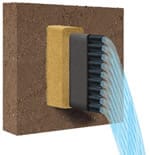
Multi-Flow provides a very efficient means for removing excess water from saturated soils. Whether the goal is to collect contaminated water in order to protect the ground water or surrounding streams or if it is to collect scarce water for use in recreation or irrigation, Multi-Flow offers unique advantages. Multi-Flow is well suited for these applications due to its compressive strength and resistance to almost all known chemicals and corrosives.
In some instances, Multi-Flow is utilized to vent gases such as those that might accumulate under a pond liner causing whale backing. More frequently, another Varicore product, Hazvent is used for that purpose.
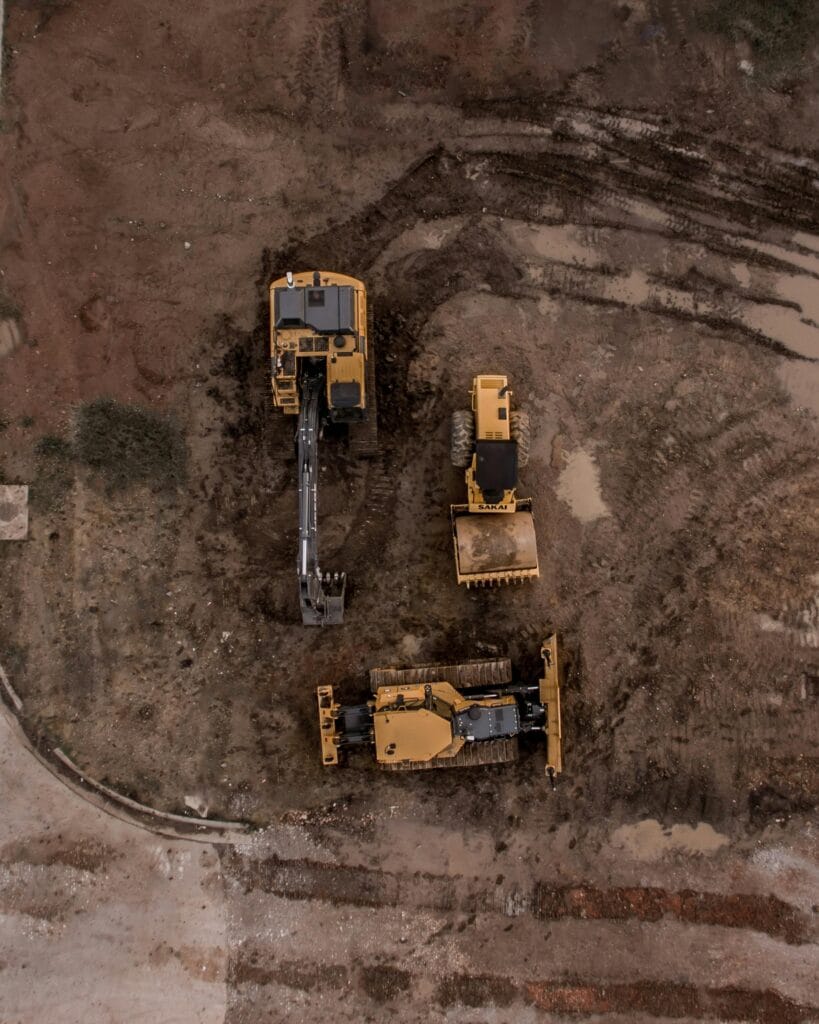
Drainage on construction sites is important to control surface water and prevent flooding, erosion, and soil instability. Proper drainage systems help direct rainwater away from work areas, keeping the site safe and reducing delays caused by muddy or flooded conditions. It also prevents water from washing away soil or construction materials, which can damage foundations and nearby structures. Effective drainage protects the environment by reducing sediment runoff and ensures smoother, safer, and more efficient construction operations.
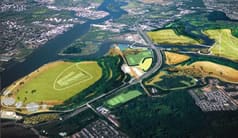
Drainage in desaturation projects is important to remove excess water from soil or land areas, improving stability and usability. Proper drainage prevents waterlogging, reduces soil erosion, and lowers the risk of structural damage in construction or agricultural sites. It also helps control groundwater levels, protects nearby infrastructure, and supports environmental management by preventing stagnant water that can cause pollution or breeding of pests. Effective drainage ensures the success, safety, and sustainability of desaturation projects.
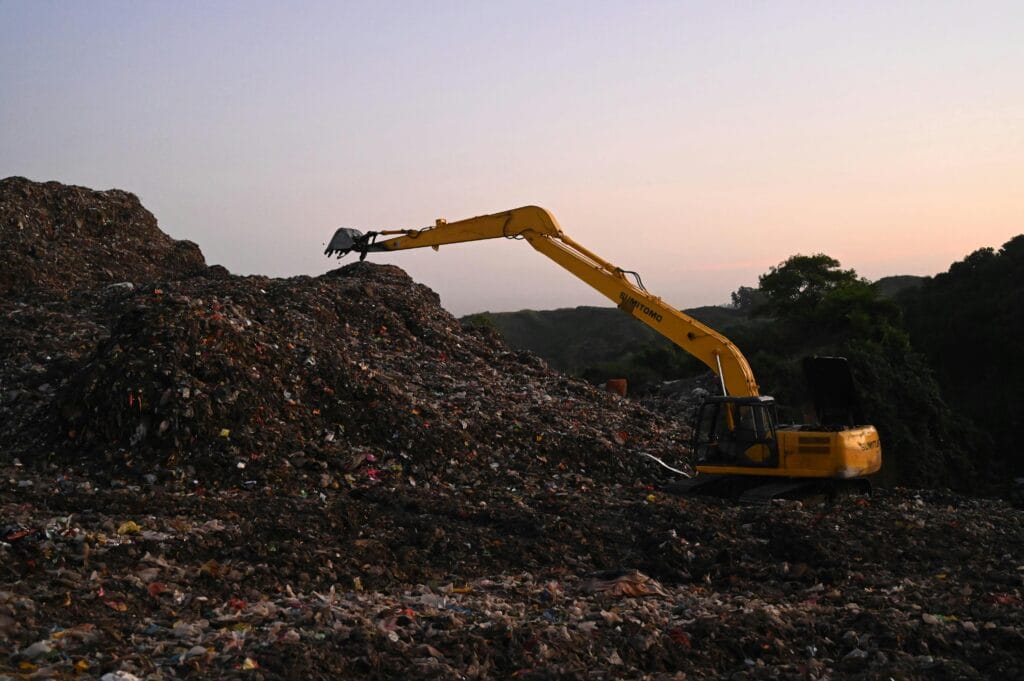
Drainage in landfills is important to manage rainwater and leachate, preventing water accumulation that can weaken the landfill structure or cause contamination. Proper drainage systems help control surface runoff and groundwater infiltration, reducing the risk of soil erosion, slope failure, and pollution of nearby water sources. Effective drainage also minimizes odors, prevents stagnant water that can breed pests, and ensures the landfill remains stable and environmentally safe over time.
Drainage in leach piles is important to control the flow of water and prevent saturation, which can reduce the efficiency of leaching processes and cause structural instability. Proper drainage removes excess water, protecting the pile from erosion, collapse, or contamination of surrounding soil and water sources. It also helps manage runoff, ensures safe and effective extraction of valuable materials, and supports environmental safety by preventing uncontrolled leachate release. Effective drainage is therefore essential for both operational efficiency and site protection.
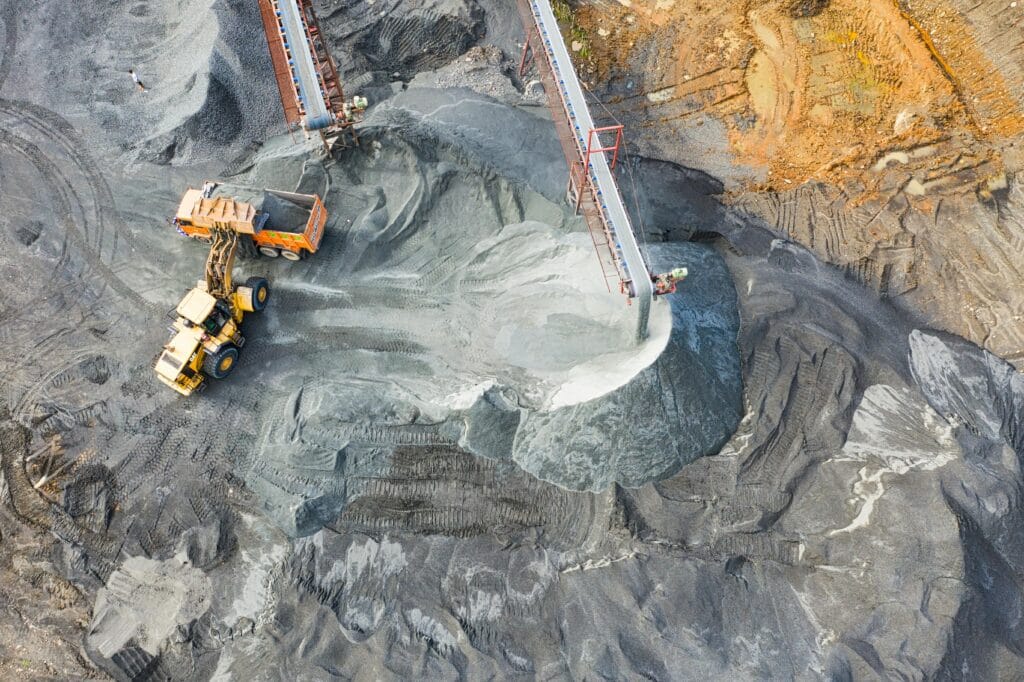
Drainage in mines is important to remove excess water from tunnels and pits, ensuring the safety of workers and the stability of mine structures. Proper drainage prevents flooding, reduces the risk of roof collapses, and protects mining equipment from water damage. It also helps control groundwater levels, prevents soil erosion, and minimizes environmental contamination from mine runoff. Effective drainage is essential for safe, efficient, and sustainable mining operations.
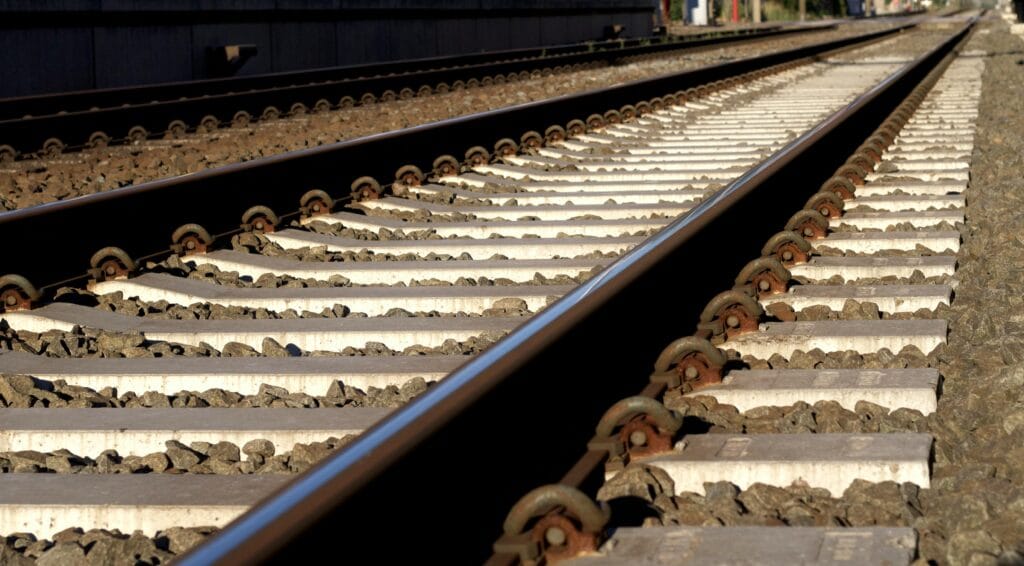
Drainage along railroads is important to keep tracks safe, stable, and durable. Proper drainage removes rainwater and runoff from the track bed, preventing water accumulation that can weaken the foundation, cause erosion, or lead to track deformation. It also reduces the risk of train derailments and minimizes maintenance costs by protecting the rails, ties, and ballast. Effective drainage ensures smooth, safe, and long-lasting railroad operations while protecting surrounding land from water damage.
Drainage in earth dams is important to maintain the stability and safety of the structure. Proper drainage prevents water from accumulating within or behind the dam, which can cause soil saturation, erosion, or even dam failure. It helps control seepage, reduces pressure on the dam, and protects against cracks or slides. Effective drainage also extends the lifespan of the dam and safeguards downstream areas by minimizing the risk of flooding or structural collapse.
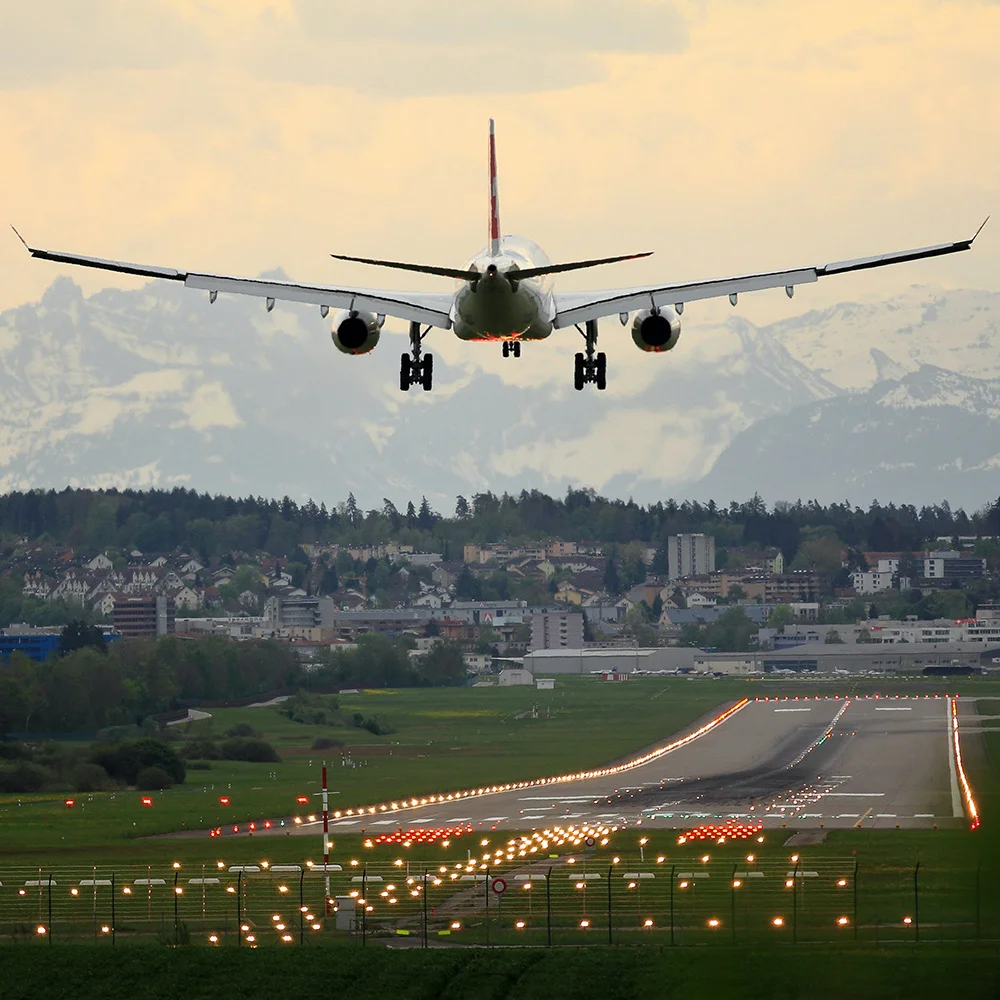
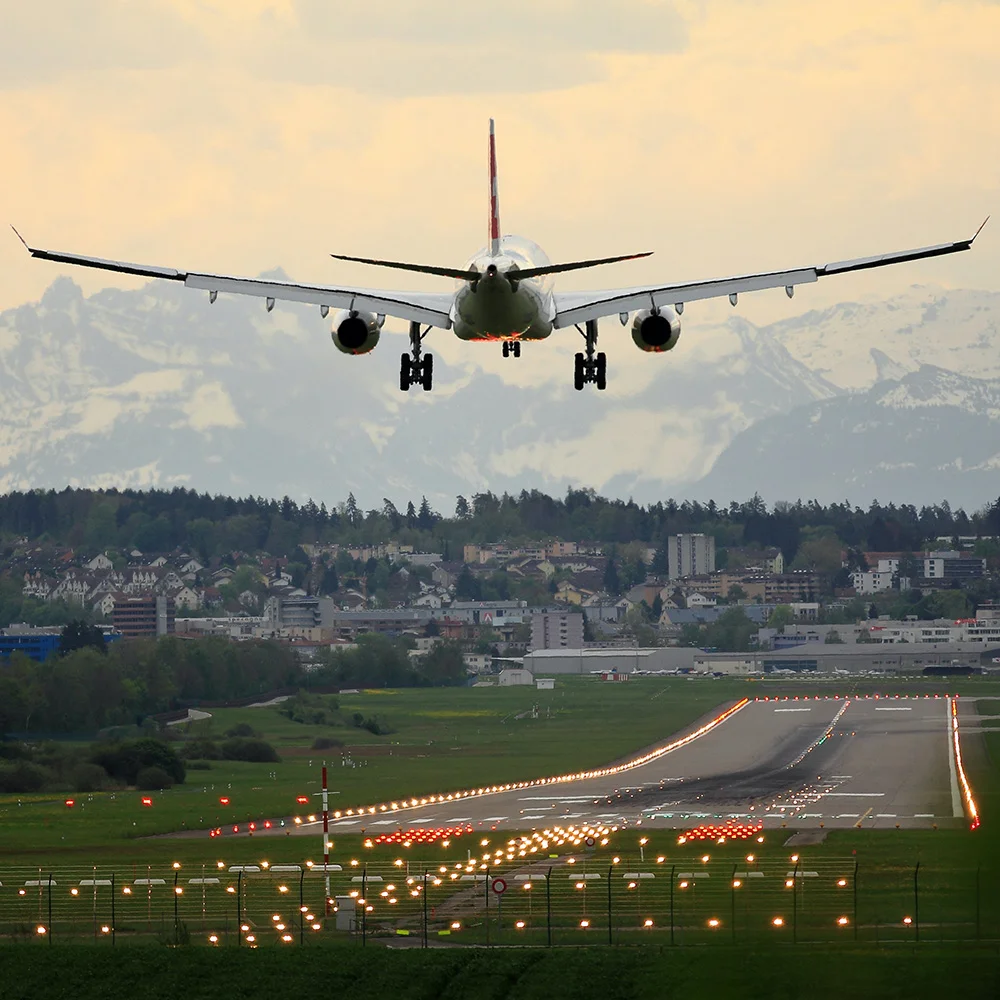
Drainage on runways is important to ensure the safety and efficiency of aircraft operations. Proper drainage removes rainwater and prevents water from pooling on the runway surface, reducing the risk of hydroplaning and accidents during takeoff and landing. It also protects the pavement from water damage, such as cracks, potholes, or erosion, extending the lifespan of the runway. Effective drainage ensures smooth, safe, and reliable operations while minimizing maintenance costs and protecting surrounding areas from flooding.
Whether it is for new construction or addressing an existing problem, Multi-Flow is a wise choice because of it’s:
A completed Multi-Flow system typically costs about half as much as a comparable French drain system. Add to that its longer life and Multi-Flow begins to look very attractive!
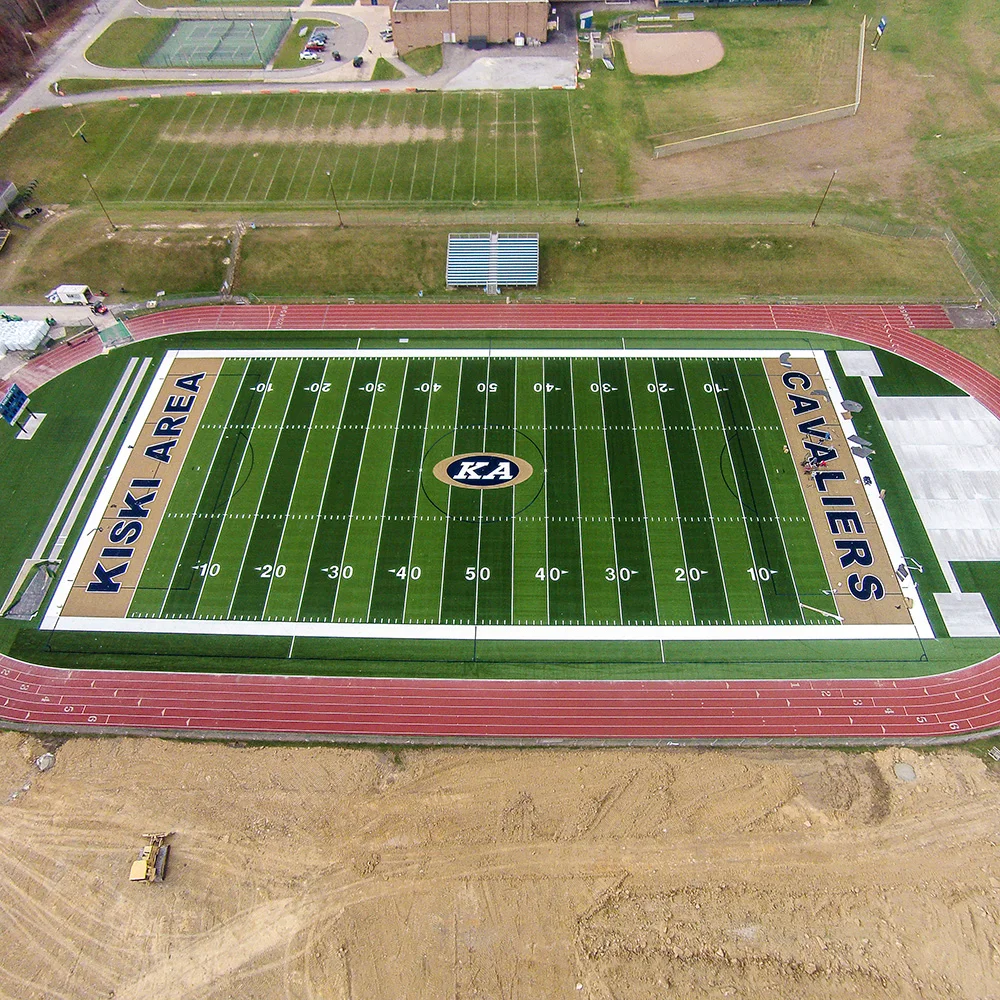
A synthetic football field might cost over $8.00 per square foot to construct. Implementing the drainage system typically costs another $0.10 per square foot. Overlooking the drainage, or using inferior drainage products might put the entire field a risk and save only pennies per square foot.
Multi-Flow and Multi-Flow LDVS are property of Varicore Technologies, Inc.
The information contained on this site, including technical drawings, illustrations, pictures, diagrams, etc., are for recommendation only.
It is sole responsibility of determine correct suitability and usage of materials on project.