
Multi-Flow Drainage Pipe Systems is your best choice for draining paved surfaces. To make pavements last longer, Multi-Flow is used under paved surfaces to increase its life span.
When trenching is required, vertical installations take best advantage of Multi-Flow’s narrow profile.
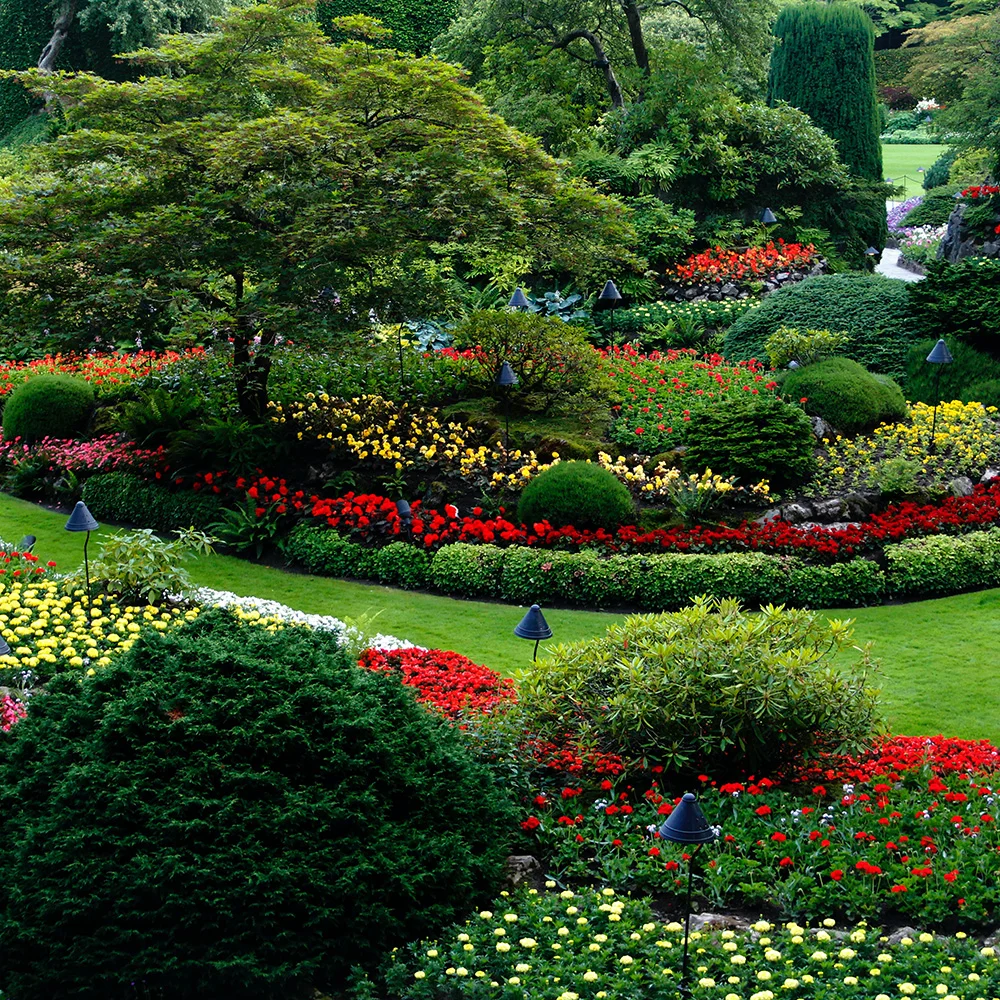
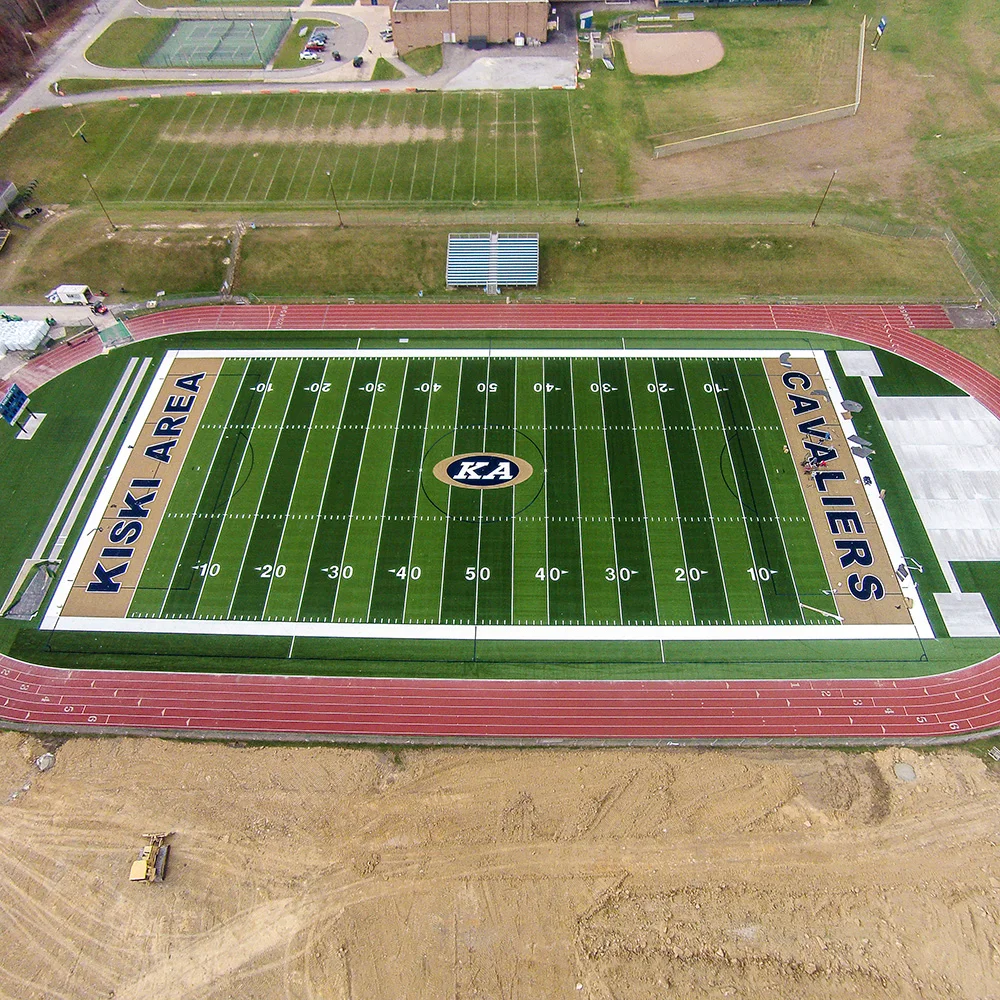
However, in synthetic turf settings, a nearly impermeable clay base is established and select, porous fill is placed over it. Laying Multi-Flow directly on the dense clay base locates it where the water accumulates. This eliminates the need for trenching. Whether it is new natural turf field construction or the renovation of an existing field, Multi-Flow is a wise choice because:
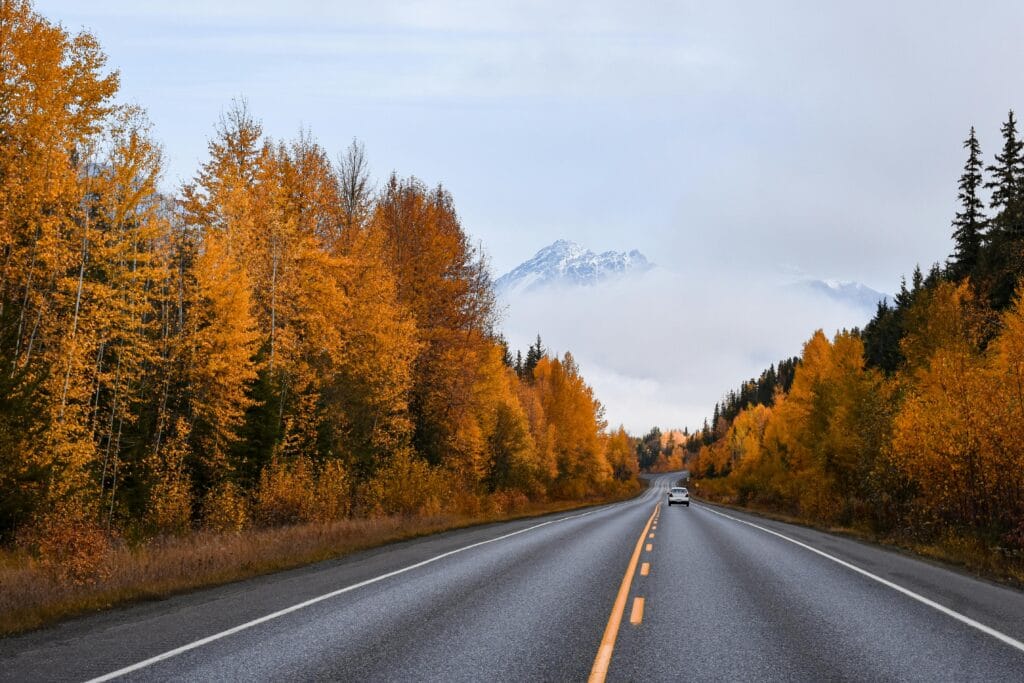
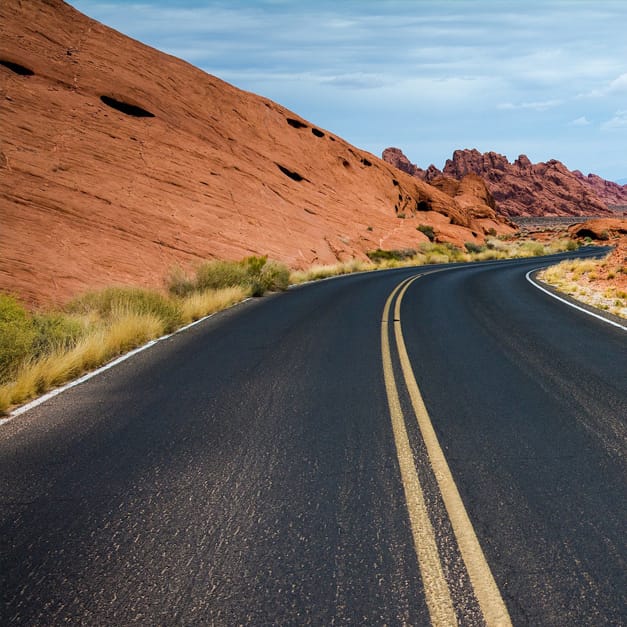
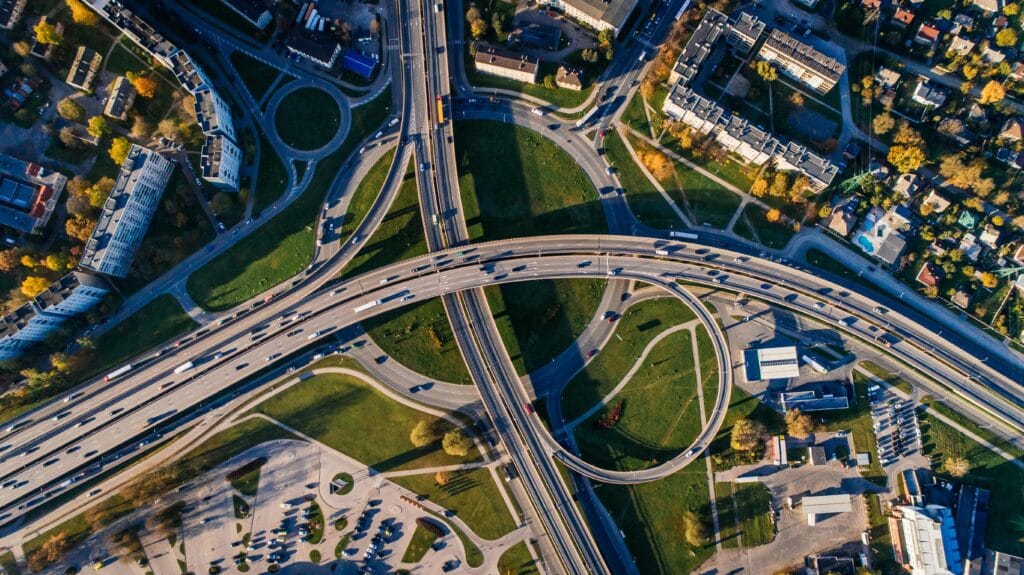
Drainage is extremely important on highways because it directly affects safety, durability, and driving comfort. Highways are exposed to large amounts of rainwater runoff due to their wide surfaces and high traffic volumes. Without proper drainage, water can accumulate on the pavement, leading to dangerous conditions such as hydroplaning, reduced tire traction, and poor visibility from splash and spray. Structurally, standing water can seep into the pavement layers, weakening the base and subgrade, which causes cracking, rutting, and potholes over time. To prevent this, highways are designed with a slight slope (called a camber or cross slope) that directs water toward the shoulders, ditches, or drains. In addition, systems like culverts, side ditches, and storm drains are used to quickly carry water away from the roadway. Effective drainage also helps protect surrounding land from erosion and prevents damage to bridges, embankments, and other highway structures. Overall, a well-designed drainage system ensures that highways remain safe, durable, and cost-effective over their entire service life.
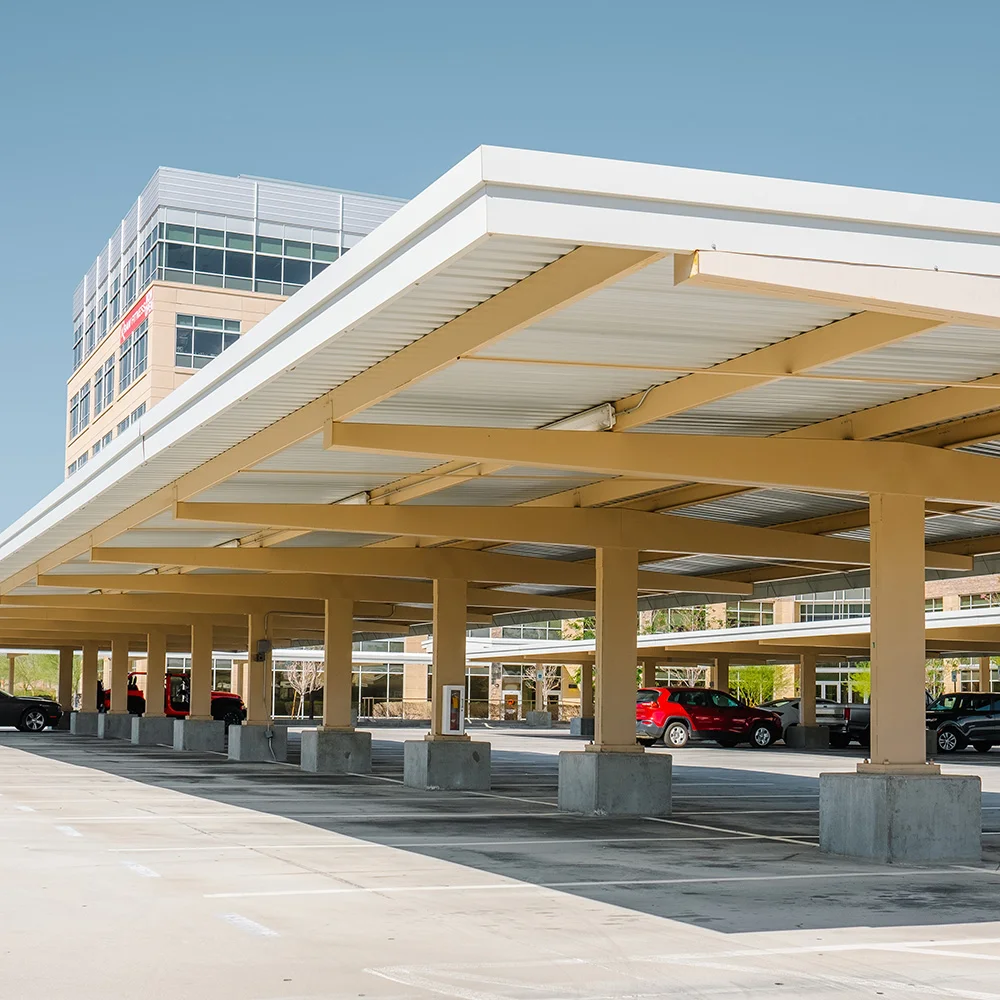
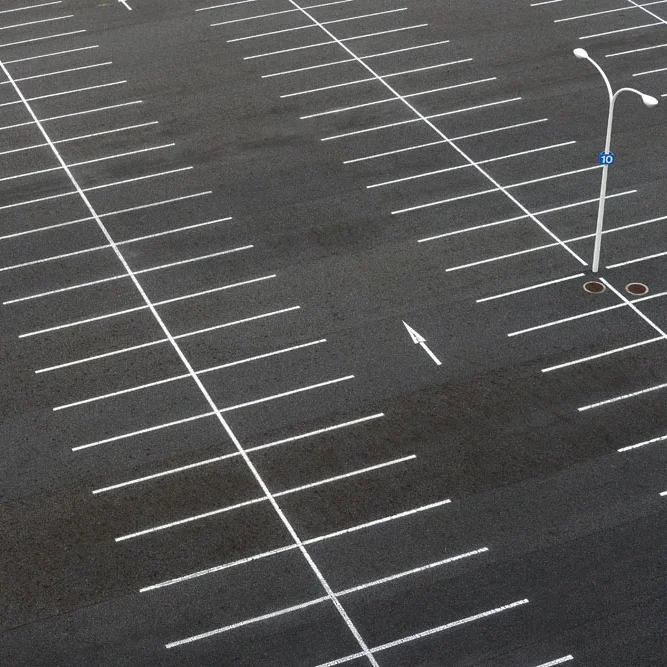
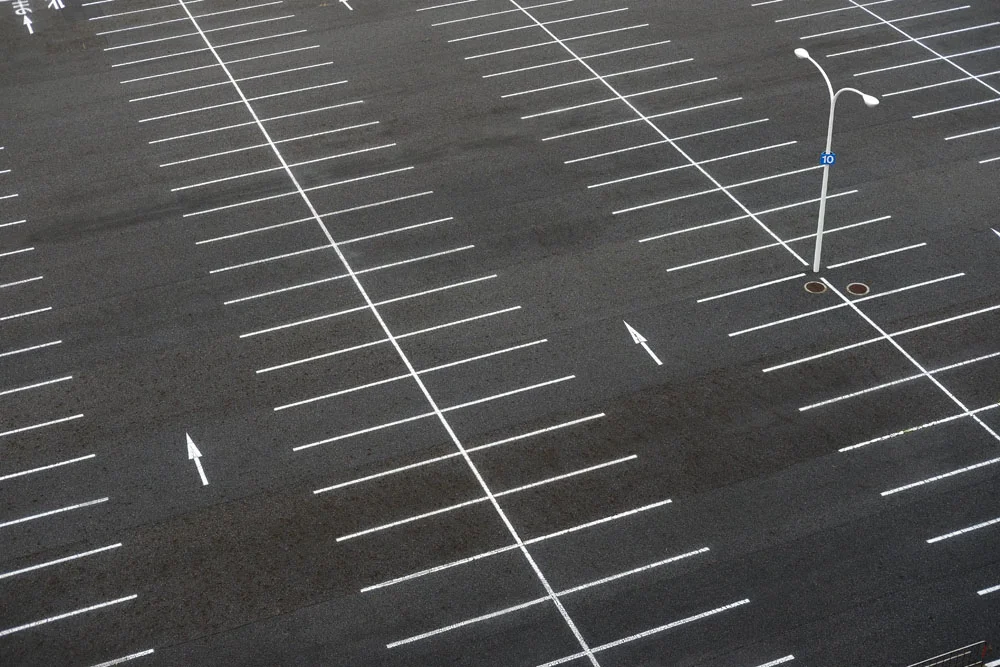
Drainage is very important in parking lots because it helps manage rainwater and protect both the pavement and the surrounding area. When water is not properly drained, it can pool on the surface, creating puddles that make parking spaces unusable and unsafe for drivers and pedestrians. Standing water can also seep into the pavement layers, weakening the base and causing cracks, potholes, and surface deterioration over time. Good drainage design uses gentle slopes to direct water toward catch basins, drains, or landscaped areas such as bioswales or permeable pavements, which allow water to soak into the ground naturally. This not only protects the pavement but also reduces runoff and pollution entering storm sewers. Proper drainage helps prevent erosion, minimizes maintenance costs, and keeps the parking lot safe, clean, and functional even during heavy rain. Overall, effective drainage in parking lots is essential for safety, pavement longevity, and environmental protection.
Drainage is very important in private drives because it helps protect the driveway surface, surrounding property, and nearby structures from water damage. When rainwater is not properly drained, it can collect on the surface or flow toward buildings, leading to problems like flooding, erosion, and foundation damage. Standing water can also weaken the driveway materials, causing cracks, potholes, and surface deterioration over time. To prevent these issues, private drives are usually built with a slight slope that directs water away from the house and toward drainage channels, swales, or catch basins. In some cases, permeable paving materials are used to allow water to soak naturally into the ground. Good drainage design not only extends the life of the driveway but also keeps it safe and usable in all weather conditions. Overall, effective drainage in private drives ensures long-lasting pavement, prevents property damage, and maintains a clean, stable surface.
Drainage is very important along road shoulders because it helps protect both the roadway and the surrounding land from water damage. The shoulder area is designed to collect and channel rainwater away from the main pavement, preventing water from pooling on the driving surface. If drainage along the shoulders is poor, water can seep into the pavement layers, weakening the base and subgrade, which leads to cracks, potholes, and pavement failure. Standing water on shoulders can also cause erosion, wash away gravel, and create unsafe conditions for vehicles that pull off the road. To manage this, road shoulders are usually built with a slight slope that directs water toward side ditches, culverts, or drains. In rural areas, grassed shoulders or drainage swales may be used to slow runoff and reduce erosion. Overall, good drainage on road shoulders is essential for maintaining the road’s strength, ensuring driver safety, and protecting the surrounding environment.
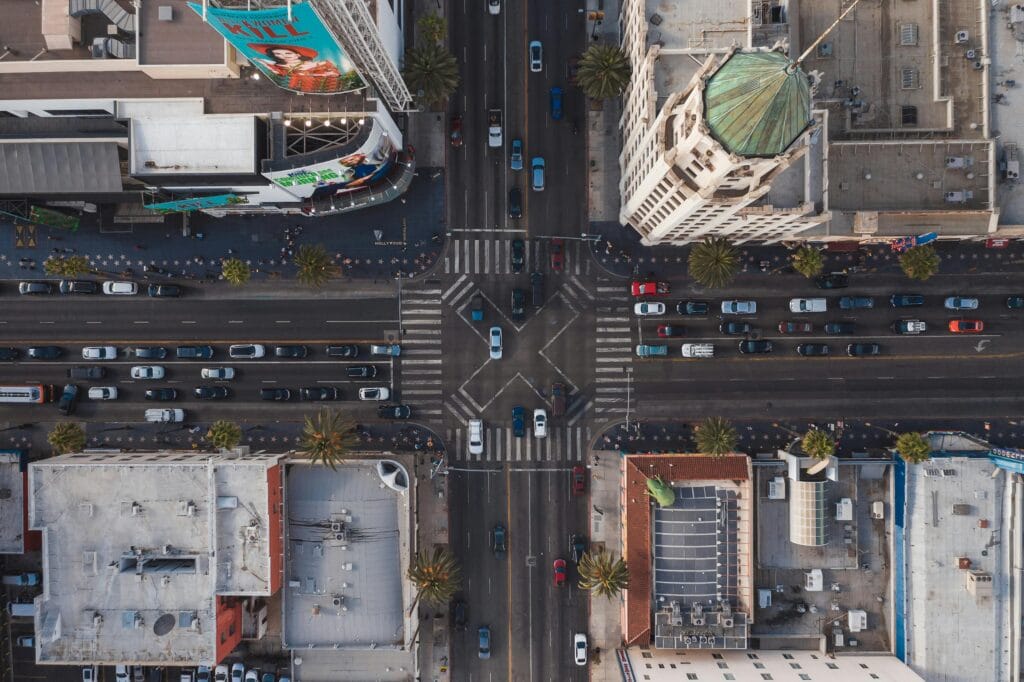
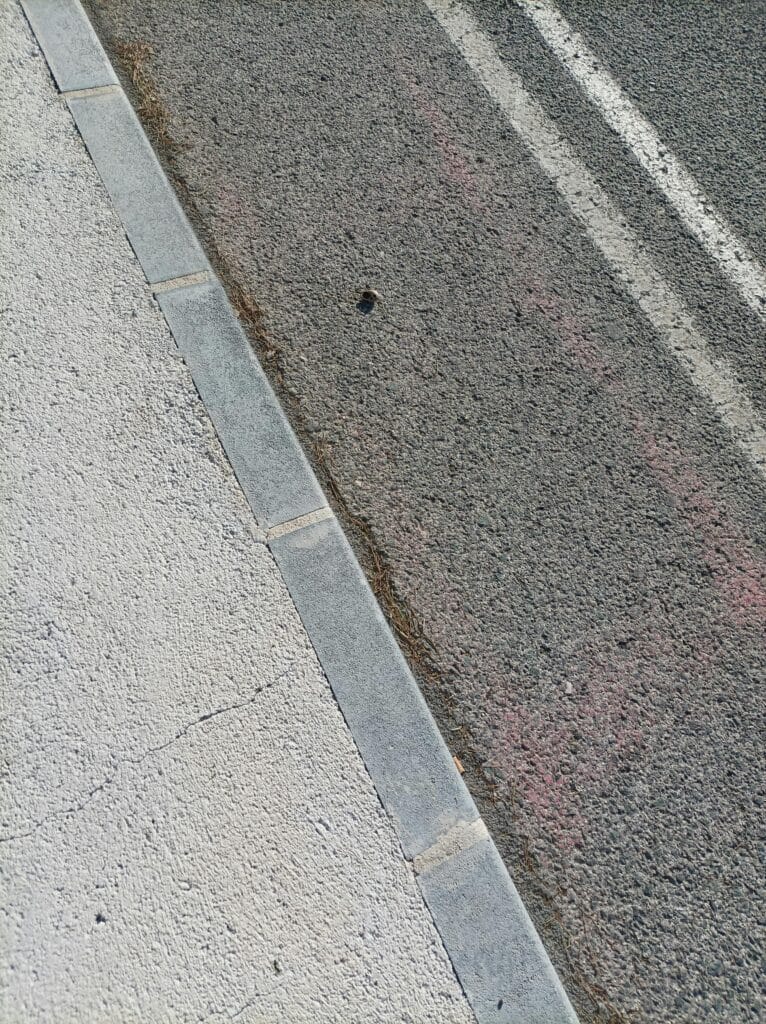
Drainage is very important along the street edge because this area is where most surface water from the road collects and is directed into the drainage system. If water is not properly drained at the street edge, it can pool along the curb or gutter, creating puddles that make driving and walking unsafe. Standing water can also seep into the pavement layers, weakening the road structure and causing cracks, potholes, and other types of damage over time. Proper street-edge drainage, usually through gutters, catch basins, or storm drains, ensures that rainwater flows smoothly away from the pavement and into underground drainage pipes. It also helps protect sidewalks, landscaping, and nearby properties from flooding or erosion. Overall, effective drainage at the street edge is essential for keeping roads safe, durable, and in good condition while preventing costly maintenance and damage to surrounding areas.
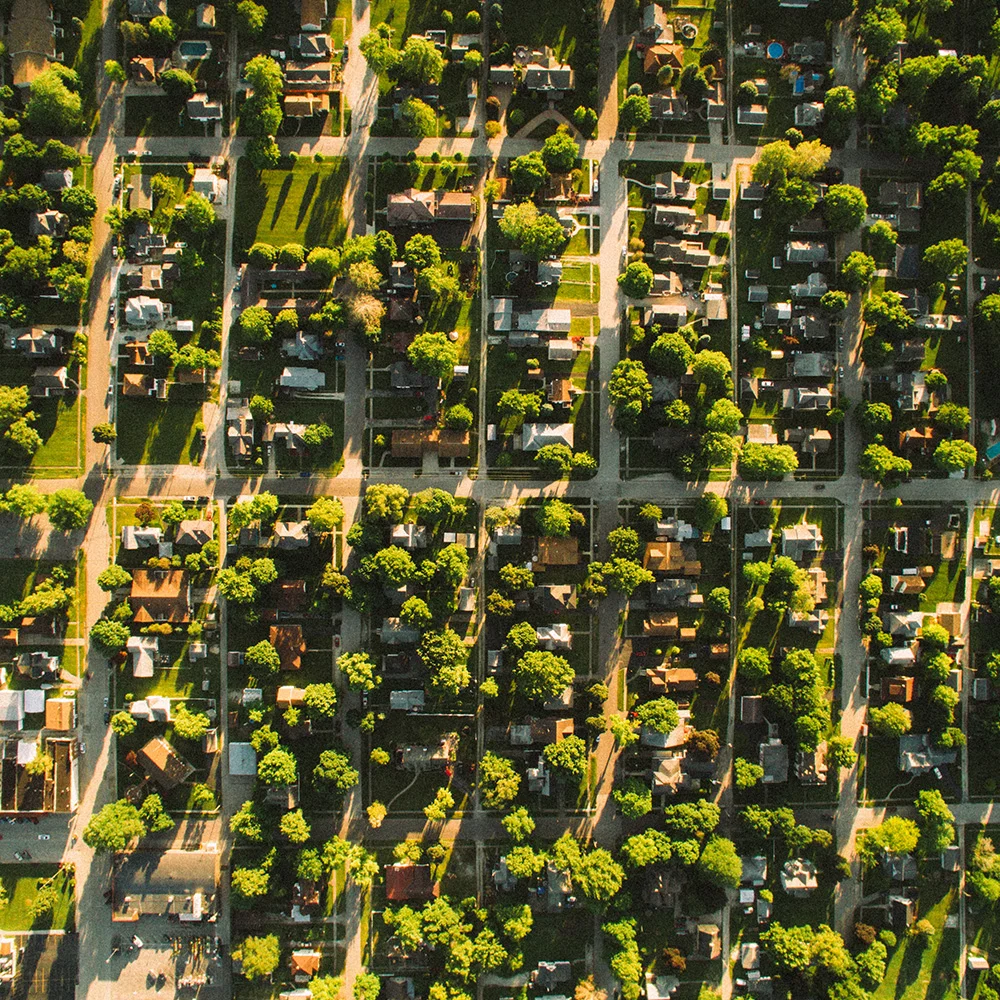
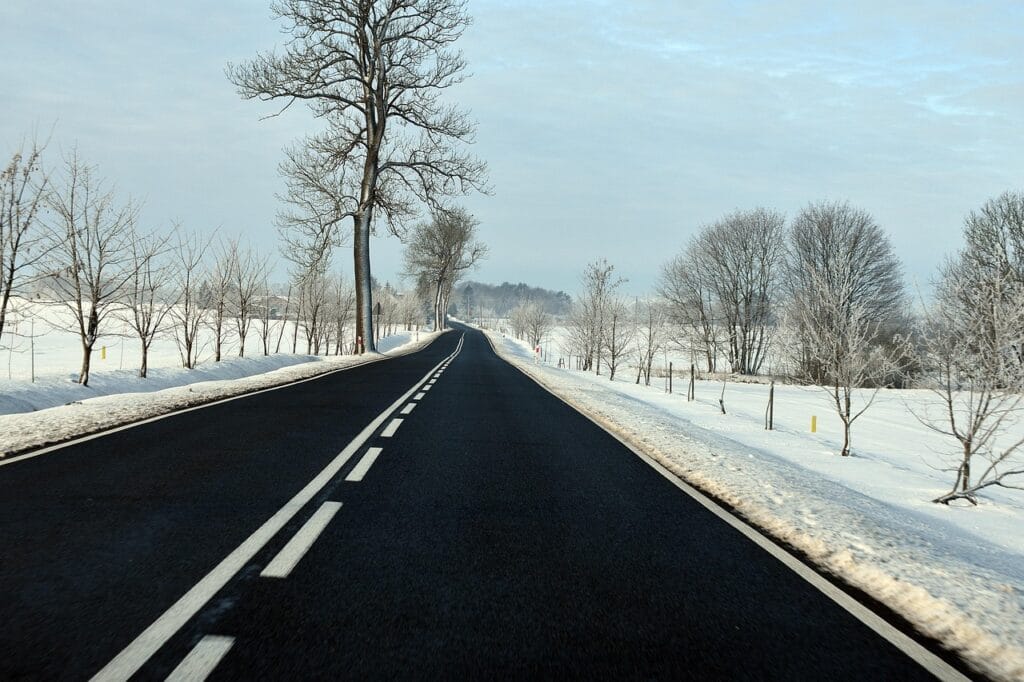
Drainage is a crucial part of street design because it helps keep the roadway safe, durable, and functional. When rainwater falls on a street, it must be directed away quickly to prevent puddles and flooding. Without proper drainage, standing water can make driving and walking dangerous by causing slippery conditions, reduced visibility, and even hydroplaning. Over time, water that seeps into the pavement can weaken its foundation, leading to cracks, potholes, and costly repairs. To manage this, streets are designed with a slight cross slope that directs water toward gutters, curbs, and storm drains where it can be safely carried away. Good drainage also protects sidewalks, landscaping, and nearby properties from water damage and erosion. In many modern designs, green infrastructure like permeable pavements or bioswales is used to filter and absorb runoff naturally. Overall, effective drainage ensures that streets remain safe, strong, and long-lasting, even during heavy rain.
Multi-Flow and Multi-Flow LDVS are property of Varicore Technologies, Inc.
The information contained on this site, including technical drawings, illustrations, pictures, diagrams, etc., are for recommendation only.
It is sole responsibility of determine correct suitability and usage of materials on project.